Child Resistant Rigid Boxes for Safety and Branding
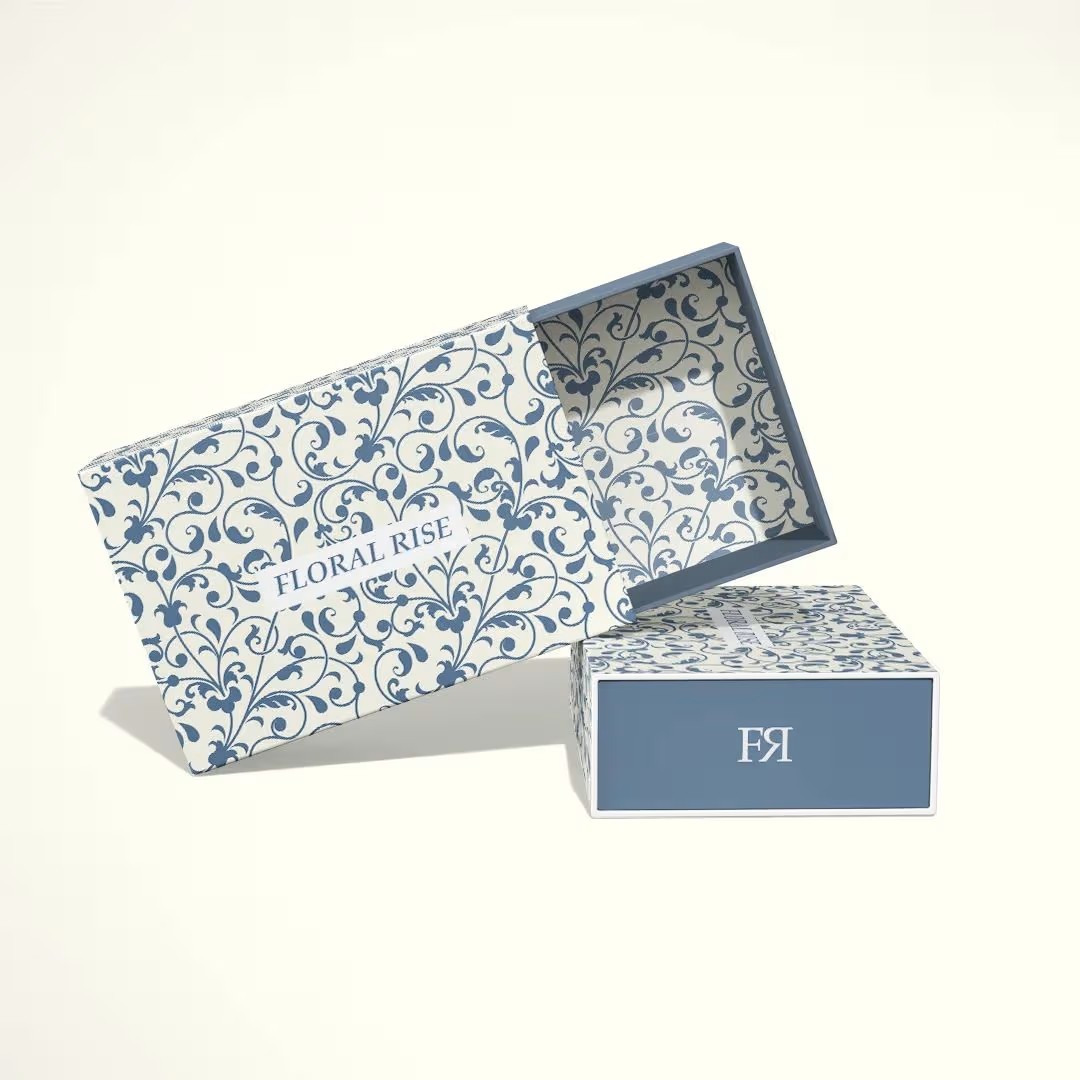
Packaging does more than protect a product during storage and transportation. For products that require additional safety measures, it can also help reduce the risk of accidental access by young children while maintaining an attractive presentation. Child Resistant Rigid Boxes combine sturdy construction, specialized opening mechanisms, and customizable designs to address these needs.
Businesses in industries such as pharmaceuticals, wellness, personal care, and other regulated product categories may need packaging that balances product protection, user accessibility, and brand identity. However, a rigid box’s strength alone does not make it child-resistant. The complete packaging system must be designed and evaluated for its intended application.
At HOF Pack, businesses can explore custom packaging solutions tailored to their product dimensions, presentation requirements, and branding goals. Understanding materials, closure designs, inserts, and applicable regulations can help brands make informed decisions when sourcing custom child resistant boxes.
What Are Child Resistant Rigid Boxes?
Child Resistant Rigid Boxes are packaging solutions made with a sturdy paperboard or rigid-board structure and a specially designed closure intended to make opening more difficult for young children while remaining usable by adults.
Unlike conventional folding cartons, rigid boxes generally retain their shape and provide a substantial outer structure. Depending on the application, manufacturers may combine this construction with a tested child-resistant closure or an integrated locking mechanism.
Common features include:
- Rigid construction: Helps protect products from crushing and everyday handling.
- Specialized closures: May use push-and-slide, squeeze-and-release, or other mechanisms designed for the intended package.
- Product-specific interiors: Inserts can help keep products organized and positioned securely.
- Custom branding: Printing, labels, and selected finishes can create a consistent brand presentation.
It is important to distinguish a rigid box from a certified child-resistant package. A conventional rigid box does not automatically satisfy child-resistant performance requirements. The complete package, including its closure and intended contents, must be evaluated against the applicable standards.

Why Child-Resistant Packaging Matters
Child-resistant packaging is designed to reduce the likelihood that young children will gain access to potentially harmful contents. This can be particularly important when packaging products that are subject to specific safety regulations.
Reducing accidental access
Children may explore containers through pulling, twisting, pressing, or shaking. A properly designed child-resistant closure introduces an opening process that is more difficult for young children to perform.
However, child-resistant packaging is not childproof. It cannot eliminate every risk of access, so safe storage, appropriate supervision, and required warning labels remain important.
Supporting product protection
Rigid packaging can provide structural support during shipping, warehousing, and retail handling. This may help reduce external pressure and damage to the product or its primary container.
For fragile products, a correctly fitted insert can also reduce movement inside the box.
Improving customer experience
Safety features should not make packaging unnecessarily difficult for its intended users. Adults, including older adults who may have limited dexterity, should be able to operate the closure as required by the applicable testing standard.
Well-designed child resistant rigid packaging considers both safety performance and practical usability.
Maintaining a professional brand presentation
Businesses do not necessarily have to sacrifice appearance to incorporate safety features. Carefully selected colors, typography, structural details, and finishes can help packaging remain consistent with a brand’s visual identity.
The key is to ensure that decorative elements do not interfere with the closure or compromise its performance.
Common Locking Mechanisms and Structural Designs
The appropriate opening mechanism depends on the product, the packaging format, the intended user, and any applicable regulatory requirements.
Common mechanisms used in child-resistant packaging systems include the following.
Push-and-slide mechanisms
These closures require the user to apply pressure at a designated point while sliding or moving another part of the package. The combined action may be more difficult for a young child to coordinate than simply lifting a lid.
The design should be assessed for consistent operation, wear, and ease of use by adults.
Squeeze-and-release mechanisms
These systems require pressure on designated areas before the package can open. They may be suitable for certain container or carton formats, depending on the product and closure design.
The location of the release points, material strength, and opening force all influence usability.
Two-step locking closures
Some packages require two coordinated actions, such as pressing a release and then sliding or lifting a closure. The effectiveness of this arrangement depends on the actual design and test results, not simply the number of steps involved.
Integrated locking structures
Custom structural designs may incorporate locking tabs, interlocking components, or specially engineered closures. When using these features in rigid boxes, brands should confirm that the complete design can meet the intended child-resistant performance criteria.
Important: These mechanisms are design options, not proof of compliance. A closure must be tested in the finished package configuration when required by the applicable standard.

Choosing Durable Materials for Rigid Boxes
Material selection influences the box’s strength, appearance, weight, print quality, and manufacturing cost. For custom child resistant boxes, materials must also work reliably with the selected closure.
Rigid paperboard
Rigid board is commonly used for premium presentation boxes because it offers a firm structure and supports high-quality exterior wrapping. Thickness should be selected according to box dimensions, product weight, and handling requirements.
Paper-based wrapping materials
Coated paper, printed paper, and specialty wrapping stocks can create different visual effects. These materials allow brands to coordinate the exterior with their packaging design without necessarily changing the underlying structure.
Protective interior materials
Paperboard inserts, molded inserts, and other compatible interior components can help position products and prevent unwanted movement. Their suitability depends on the product’s weight, shape, and contact requirements.
Surface coatings and finishes
Matte or gloss coatings, embossing, and foil accents can support branding and improve the perceived quality of the package. Any coating or adhesive used should be compatible with the packaging materials and intended conditions.
When selecting materials, consider the following factors:
- Product dimensions and weight.
- Shipping distance and handling conditions.
- Moisture exposure and storage environment.
- Compatibility with the product and primary container.
- Closure performance over the expected product-use period.
- Material sourcing, recyclability, and disposal requirements.
A durable exterior is valuable, but it cannot replace the testing of a child-resistant closure.
How Custom Printing Strengthens Brand Identity
Packaging is often one of the first physical interactions customers have with a brand. Custom printed child resistant boxes allow businesses to maintain a recognizable appearance while incorporating the structural features required for their products.
Logo placement and typography
A clearly positioned logo, readable typography, and consistent brand colors help customers recognize a product. The design should remain uncluttered, especially when mandatory warnings, instructions, or product information must appear on the packaging.

Premium printing and finishes
Depending on the material and production process, brands may choose from:
- Matte or gloss finishes.
- Foil stamping for selected logo elements.
- Embossing or debossing.
- Full-color printing and custom graphics.
- Minimalist designs with understated typography.
These options can support a premium presentation for retail products, wellness items, and gift-style packaging.
Balancing aesthetics with functionality
Printing and finishing should never interfere with the locking mechanism, opening instructions, or required labeling. Artwork placement should be planned alongside the structural design rather than added after the closure has been finalized.
For businesses ordering wholesale child resistant boxes, approving a production sample can help verify that the finished appearance matches the approved artwork and that the closure continues to operate correctly.
The Role of Inserts in Product Organization
Inserts help keep products properly positioned within the outer box. They are particularly useful when packaging fragile items, multiple components, or products that require a consistent presentation.
Common insert options include:
|
Insert type |
Typical purpose |
|---|---|
|
Paperboard inserts |
Organize lightweight products and accessories |
|
Molded inserts |
Hold products in shaped compartments |
|
Foam inserts |
Cushion selected fragile items |
|
Custom-cut inserts |
Position products according to their dimensions |
The appropriate choice depends on the product’s weight, shape, fragility, and storage conditions.
Why insert design matters
A well-fitted insert can reduce unnecessary movement, limit contact between individual components, and make the package easier to organize. It can also create a more polished unboxing experience.
For child resistant rigid packaging, however, inserts must not obstruct the closure or change the package’s intended opening process. The finished package should be assessed as a complete system, including its contents and interior components where relevant.
Child-Resistant Packaging and Compliance Considerations
Regulatory compliance is an essential consideration when selecting child-resistant packaging. Requirements depend on the product, its intended use, the market where it will be sold, and the regulations that apply to that category.
Understanding U.S. requirements
In the United States, the Consumer Product Safety Commission (CPSC) administers the Poison Prevention Packaging Act (PPPA), which requires special packaging for certain regulated household substances. Relevant requirements are set out in 16 CFR Part 1700. Not every product automatically requires child-resistant packaging.
For applicable packages, the U.S. regulatory testing framework evaluates both child resistance and adult usability. The CPSC explains that its protocols include testing with children under five and adult test panels.
Brands should consider the following steps:
- Identify applicable regulations. Determine whether the product and its packaging fall under a specific federal, state, or other market requirement.
- Select an appropriate packaging design. Choose a closure and structure developed for the product’s intended use.
- Arrange the required testing. Confirm that the complete package meets the applicable testing protocol.
- Verify product compatibility. Ensure the contents do not compromise the packaging’s performance.
- Maintain compliance documentation. Identify the responsible manufacturer and confirm any applicable certification, labeling, and recordkeeping obligations.
- Review design changes. Changes to materials, closures, contents, or manufacturing processes may warrant additional evaluation or testing.
The CPSC notes that the manufacturer of the finished product is responsible for ensuring or certifying compliance where the PPPA applies. An empty packaging supplier should therefore not be assumed to certify the final filled product simply by supplying a box.
For products sold internationally, businesses should also verify the requirements of each destination market. Compliance in one jurisdiction does not automatically establish compliance in another.
Important: This article provides general packaging information, not legal or regulatory advice. Confirm current requirements with the relevant regulator and a qualified compliance professional before launching a product.
How to Choose a Reliable Packaging Supplier
Selecting a supplier involves more than comparing box prices. Businesses should assess structural capabilities, material options, customization services, production consistency, and the supplier’s ability to support the packaging development process.
Evaluate structural design capabilities
Ask whether the supplier can develop the required dimensions, closure configuration, inserts, and exterior construction. If child resistance is a requirement, clarify whether the supplier has experience producing the relevant packaging format and what testing evidence is available for the proposed design.
Do not assume that a supplier’s general experience with rigid boxes establishes compliance for a specific product.
Review samples and quality control
Request a prototype or sample to evaluate the material, print quality, dimensions, and closure operation. For regulated applications, confirm that the tested configuration corresponds to the actual package being manufactured.
Compare pricing and minimum order quantities
The cost of custom child resistant boxes depends on several factors:
- Box dimensions and material thickness.
- Closure complexity.
- Printing coverage and finishing options.
- Insert design and material.
- Order quantity and production setup.
- Testing, documentation, and shipping requirements.
Wholesale pricing can reduce the unit cost at higher quantities, but the lowest quote may not include every required service. Request an itemized quotation so you can compare suppliers on equivalent specifications.
Assess communication and delivery
A reliable supplier should communicate clearly about design approval, sampling, production timelines, quality checks, and shipping. Ask who will coordinate any testing and compliance documentation and which responsibilities remain with your business as the finished-product manufacturer.
Explore custom packaging with HOF Pack
HOF Pack is a U.S.-focused custom packaging supplier offering packaging solutions such as rigid boxes, mailer boxes, retail packaging, and flexible packaging. Businesses can discuss dimensions, materials, printing, inserts, and other specifications to develop packaging aligned with their product and branding requirements.
If your product requires child-resistant functionality, specify that requirement before production begins. Confirm the proposed structure, closure design, testing arrangements, and compliance responsibilities before approving a bulk order.
Conclusion
Child Resistant Rigid Boxes bring together structural durability, specialized closures, product organization, and brand presentation. When designed for the intended application, they can support product protection and help reduce the risk of accidental access by young children.
The most important consideration is to treat child resistance as a performance requirement rather than a decorative or structural feature alone. Material selection, closure design, inserts, printing, and applicable testing all need to work together.
By evaluating these factors and working with a supplier that communicates clearly about design capabilities and compliance responsibilities, businesses can make better-informed packaging decisions. HOF Pack can help businesses explore custom rigid boxes and related packaging options tailored to their dimensions, branding, and production needs.
Frequently Asked Questions About Child Resistant Rigid Boxes
1. What are Child Resistant Rigid Boxes?
They are rigid-structure packaging boxes designed to incorporate a child-resistant opening mechanism. Their effectiveness depends on the complete design and whether it meets the applicable testing requirements.
2. Are rigid boxes automatically child-resistant?
No. A sturdy rigid box is not automatically child-resistant. Its closure and complete packaging configuration must meet the applicable performance criteria.
3. What products may require child-resistant packaging?
Certain regulated medicines, household substances, liquid nicotine products, and other specified products may require special packaging under applicable U.S. regulations. Requirements vary by product category.
4. Can child-resistant rigid boxes be custom printed?
Yes. Depending on the construction and materials, they can incorporate custom logos, brand colors, printed graphics, foil stamping, and other finishes, provided these do not interfere with functionality or required labeling.
5. What affects the cost of wholesale child resistant boxes?
Pricing depends on order quantity, box size, materials, closure complexity, inserts, printing, finishing, and any testing or documentation costs.
6. Are child-resistant packaging boxes completely childproof?
No. Child-resistant packaging is intended to make opening more difficult for young children, not to eliminate every possibility of access. Safe storage and appropriate precautions remain necessary.
7. Can inserts be added to custom child resistant boxes?
Yes. Paperboard, molded, foam, or custom-cut inserts may be used where suitable. Their design must be compatible with the product and the package’s intended opening and closing functions.
8. What should I ask a supplier before ordering?
Ask about structural design, closure options, material specifications, samples, production quality control, testing evidence, minimum order quantities, lead times, and compliance responsibilities.

You may also like