Cleveland Interior Design Ideas for a Stylish and Functional Home
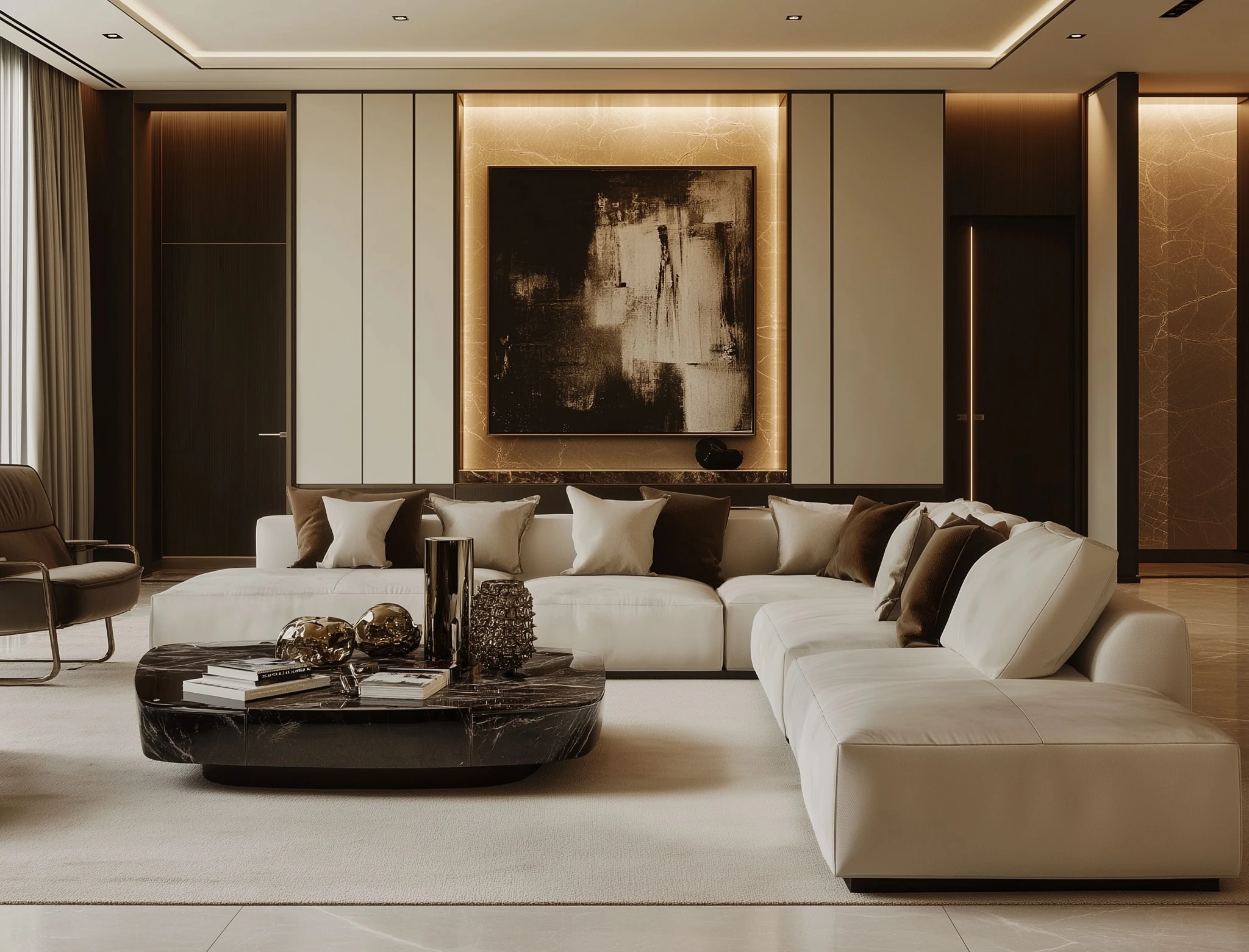
A well-designed home should do more than look attractive. It should make everyday routines easier, use available space intelligently, and reflect the people who live there. This is especially important when designing homes in Cleveland, where older architectural details, changing seasons, compact rooms, and a mix of traditional and contemporary housing styles can all influence interior choices.
Whether you’re renovating a historic home, updating a suburban property, or simply refreshing a few rooms, thoughtful cleveland interior design can help balance aesthetics with practical needs. The goal isn’t to follow every design trend. It’s to create rooms that feel comfortable, cohesive, durable, and appropriate for the home’s architecture.
Understanding Cleveland’s Interior Design Character
Cleveland homes can have very different architectural personalities. Older properties may feature hardwood floors, detailed trim, brick fireplaces, built-ins, or unusually shaped rooms. Newer homes often provide more open layouts but may lack some of the distinctive character found in historic properties.
A successful interior design approach starts by working with these existing characteristics rather than automatically replacing them.
For example, original woodwork can become a focal point in a living room instead of being covered with heavy paint. A traditional fireplace can anchor a contemporary seating arrangement. In a smaller kitchen, efficient cabinetry and carefully selected lighting may provide more value than simply adding decorative elements.
The city’s seasonal climate also makes comfort an important consideration. Window treatments, rugs, layered lighting, and durable materials can make interiors feel warmer and more inviting during colder months while remaining practical throughout the year.
Step-by-Step Strategy for Designing a Functional Home
1. Start With How the Room Is Used
Before choosing colors or furniture, identify what actually happens in the room.
A living room might need to accommodate family movie nights, reading, entertaining, and children’s activities. A home office may also serve as a guest room. A dining area could double as a homework station or workspace.
Write down the activities that matter most and design around them.
For example, if a living room frequently hosts guests, prioritize flexible seating and clear walking paths. If the room is primarily used for relaxing, a comfortable sofa and focused reading lighting may be more valuable than additional furniture.
2. Build a Functional Floor Plan
Furniture should support movement rather than obstruct it.
Measure the room before buying anything and mark doors, windows, heating elements, outlets, and architectural features. Then determine where the largest pieces should go.
A common mistake is pushing every piece of furniture against the walls. In many rooms, bringing seating slightly inward creates a more intimate conversation area and improves the overall visual balance.
Keep frequently used pathways clear. A beautiful room becomes frustrating when people have to walk around furniture every time they enter or leave.
3. Choose a Cohesive Color Foundation
A practical Cleveland home doesn’t need to rely entirely on neutral colors. The key is creating a consistent foundation.
Warm whites, soft grays, muted greens, earthy blues, and natural wood tones can provide a versatile base. Accent colors can then be introduced through artwork, pillows, rugs, furniture, or smaller decorative pieces.
Instead of selecting colors independently for every room, consider how adjoining spaces connect visually. A consistent undertone can make different rooms feel like parts of the same home.
4. Layer Lighting Instead of Relying on One Fixture
Lighting can dramatically change how a room feels.
Use three basic layers:
- Ambient lighting for general illumination
- Task lighting for activities such as reading, cooking, or working
- Accent lighting to highlight artwork, architectural details, or decorative objects
For example, a kitchen can combine ceiling fixtures with under-cabinet lighting and pendant lights over an island. A bedroom can use an overhead fixture alongside bedside lamps for a softer evening atmosphere.
This approach also gives homeowners more control over the mood of each room.
Design Ideas for Different Areas of the Home
Make the Kitchen Both Attractive and Efficient
Kitchen design should begin with workflow. The refrigerator, sink, cooking area, and primary preparation surfaces should be positioned so everyday tasks don’t require unnecessary movement.
Choose durable countertop materials and cabinetry finishes that can handle frequent use. Storage should also be planned around actual habits. Deep drawers can be particularly useful for pots and pans, while vertical storage can make better use of narrow spaces.
Open shelving can add character, but it works best when homeowners are comfortable keeping displayed items organized.
Create a Comfortable Living Room
A functional living room needs a clear focal point. That could be a fireplace, large window, media area, or architectural feature.
Choose a rug large enough to visually connect the main seating pieces. Then add a combination of table, floor, and accent lighting.
For Cleveland’s colder months, textiles can add both comfort and visual warmth. Wool rugs, textured throws, and upholstered furniture can make a room feel more inviting without requiring major remodeling.
Turn Bedrooms Into Restful Spaces
Bedrooms benefit from visual simplicity. Limit unnecessary furniture and choose colors that feel calming rather than overly stimulating.
Blackout window treatments can improve sleep quality, while bedside lighting makes reading easier without relying on bright overhead fixtures. Storage should also be considered carefully because clutter can quickly make a bedroom feel smaller.
Common Interior Design Mistakes to Avoid
One of the biggest mistakes is buying furniture before measuring the room. A sofa that looks appropriate in a showroom can overwhelm a smaller living room.
Another issue is prioritizing appearance over durability. High-maintenance materials may look impressive initially but become frustrating in busy households. Consider cleaning requirements, pets, children, and daily use before making major purchases.
Poor lighting is another common problem. A single ceiling fixture rarely provides enough flexibility for an entire room.
It’s also easy to overdecorate. Filling every empty surface can make a home feel crowded rather than finished. Leaving some visual breathing room often makes carefully selected furniture and accessories stand out more effectively.
Practical Tips From an Expert Perspective
Before starting a major renovation, create a simple priority list. Separate changes into three categories: essential improvements, functional upgrades, and purely aesthetic changes. This helps prevent the budget from being consumed by decorative details while important structural or functional issues remain unresolved.
When choosing materials, think about longevity. Flooring, countertops, cabinet hardware, and upholstery should be selected according to how heavily they will be used.
Don’t underestimate existing architectural features. Original doors, trim, floors, fireplaces, and built-ins can provide character that would be difficult and expensive to recreate.
Finally, avoid designing every room around a single trend. Trends change quickly, while well-proportioned furniture, good lighting, quality materials, and thoughtful layouts remain useful for years. Use current styles as accents rather than allowing them to dictate the entire home.
Conclusion
Great Cleveland home interiors combine personality with practicality. By considering the home’s architecture, planning furniture around real activities, layering lighting, selecting durable materials, and maintaining a cohesive color palette, homeowners can create spaces that are attractive without sacrificing comfort.
The best design decisions aren’t necessarily the most expensive ones. They are the choices that make a home easier to live in while preserving its character and making each room work better for the people who use it.

You may also like
Food Wrapping Paper Trends Every UK Business Should Know

What Types of Wedding Transport Can You Hire?