• Home
  • Traditional Learning

    First Aid

    • 3 Day First Aid at Work
    • Emergency First Aid at Work
    • First Aid at Work Re-qualification
    • First Aid Annual Refresher
    • Automated External Defibrillator (AED)
    • Paediatric First Aid 6 hours
    • Paediatric First Aid 12 hours
    • Allergy and Anaphylaxis Training (Benedict’s Law)
    • First Aid in Schools 18hrs
    • Emergency First Aid at Work and Paediatric 12hrs Combined
    • First Aid in School 1 Day
    • First Aid Course for Parents

    Health & Safety

    • Health and Safety in the Work Place Level 3
    • Health and Safety Awareness

    Food Hygiene

    • Food Safety Level 3
    • Basic Food Hygiene
    • Allergen Awareness

    Fire Safety

    • Fire Marshal
    • Fire Safety Awareness

    Manual Handling

    • Manual Handling Level 2
    • Manual Handling Awareness

    Health & Social Care

    • Administering of Medication
    • Safeguarding Adults
    • Dementia Awareness
    • Infection Control
    • Mental Capacity Act and DoLS
    • Mental Health Awareness​
    • Nutrition and Health
    • Whistleblower Training
  • Distance Learning

    Level 2

    • Mental Health Awareness
    • Personal Exercise, Nutrition & Health
    • Falls Prevention Awareness
    • Common Health Conditions
    • Cleaning Principles
    • Principles of Team Leading
    • Customer Service in Care
    • Safe Handling of Medication
    • Behaviour That Challenges
    • End of Life Care
    • Principles in Care Planning
    • Dignity and Safeguarding

    Level 2

    • Adult Social Care
    • Nutrition and Health
    • Infection Control
    • Equality and Diversity
    • Safeguarding and Prevent
    • Dementia Care
    • Common Childhood Illnesses
    • Children and Young People’s Mental Health
    • Specific Learning Difficulties
    • Management of Diabetes
    • Dementia Care

    Level 2

    • Caring for Children and Young People
    • Learning Disabilities
    • Understanding Autism
    • Customer Service in Hospitality
    • Counselling Skills
    • Warehousing and Storage
    • Lean Organisation Management
    • Information Advice and Guidance
    • Customer Service
    • Business Administration
    • Retail Operations

    Level 2

    • Business Start Up
    • Business Improvement Techniques
    • Data Protection and Data Security
    • Mental Health First Aid
    • Personal Care Needs
    • Technology Enabled Care
    • Tenant Support in Social Housing
    • Workplace Violence and Harassment
    • Climate Change and Environmental Awareness
  • Blended & E-Learning

    Blended Learning

    • Blended First Aid Training at Work
    • Blended Emergency First Aid at Work
    • Blended 12 Hour Paediatric First Aid Course
    • Blended Combined Paediatric 12 hrs and First Aid at Work
    • Blended Combined Paediatric 12hrs and Emergency First Aid at Work

    E-Learning

    • Manual Handling Level 2
    • Chaperoning Training in Primary Care
    • Annual First Aid Refresher Update
    • CPR / AED and Medical Emergencies for Dental Professionals
    • First Aid Awareness for Water Based Settings
    • Outdoor First Aid Course
    • Safeguarding Children Course

    E-Learning

    • Fire Marshal Training
    • Level 2 Food Safety
    • Prevent Duty Training
    • Fire Safety Training for Early Years
    • First Aid for Parents Course
    • Risk Assessment for Nurseries
    • Family First Aid Course
    • Allergy and Anaphylaxis Awareness for Schools (Benedict’s Law)

    E-Learning

    • Infection Control Training for Children’s Activity Providers
    • Basic Life Support Training Annual Update for Primary Care (Clinical)
    • CPR Training Annual Update for Primary Care (Non-Clinical)
  • Features
    • Why Choose Us
    • Testimonials
    • Contact
    • Gallery
    • About Us
    • First Aid Training During Covid 19
    • Terms and Conditions
    • Privacy Policy and Cookies
    • Blog
    Have any question?
    07814170078
    info@fastresponsepfa.co.uk
    First Aid
    • Home
    • Traditional Learning

      First Aid

      • 3 Day First Aid at Work
      • Emergency First Aid at Work
      • First Aid at Work Re-qualification
      • First Aid Annual Refresher
      • Automated External Defibrillator (AED)
      • Paediatric First Aid 6 hours
      • Paediatric First Aid 12 hours
      • Allergy and Anaphylaxis Training (Benedict’s Law)
      • First Aid in Schools 18hrs
      • Emergency First Aid at Work and Paediatric 12hrs Combined
      • First Aid in School 1 Day
      • First Aid Course for Parents

      Health & Safety

      • Health and Safety in the Work Place Level 3
      • Health and Safety Awareness

      Food Hygiene

      • Food Safety Level 3
      • Basic Food Hygiene
      • Allergen Awareness

      Fire Safety

      • Fire Marshal
      • Fire Safety Awareness

      Manual Handling

      • Manual Handling Level 2
      • Manual Handling Awareness

      Health & Social Care

      • Administering of Medication
      • Safeguarding Adults
      • Dementia Awareness
      • Infection Control
      • Mental Capacity Act and DoLS
      • Mental Health Awareness​
      • Nutrition and Health
      • Whistleblower Training
    • Distance Learning

      Level 2

      • Mental Health Awareness
      • Personal Exercise, Nutrition & Health
      • Falls Prevention Awareness
      • Common Health Conditions
      • Cleaning Principles
      • Principles of Team Leading
      • Customer Service in Care
      • Safe Handling of Medication
      • Behaviour That Challenges
      • End of Life Care
      • Principles in Care Planning
      • Dignity and Safeguarding

      Level 2

      • Adult Social Care
      • Nutrition and Health
      • Infection Control
      • Equality and Diversity
      • Safeguarding and Prevent
      • Dementia Care
      • Common Childhood Illnesses
      • Children and Young People’s Mental Health
      • Specific Learning Difficulties
      • Management of Diabetes
      • Dementia Care

      Level 2

      • Caring for Children and Young People
      • Learning Disabilities
      • Understanding Autism
      • Customer Service in Hospitality
      • Counselling Skills
      • Warehousing and Storage
      • Lean Organisation Management
      • Information Advice and Guidance
      • Customer Service
      • Business Administration
      • Retail Operations

      Level 2

      • Business Start Up
      • Business Improvement Techniques
      • Data Protection and Data Security
      • Mental Health First Aid
      • Personal Care Needs
      • Technology Enabled Care
      • Tenant Support in Social Housing
      • Workplace Violence and Harassment
      • Climate Change and Environmental Awareness
    • Blended & E-Learning

      Blended Learning

      • Blended First Aid Training at Work
      • Blended Emergency First Aid at Work
      • Blended 12 Hour Paediatric First Aid Course
      • Blended Combined Paediatric 12 hrs and First Aid at Work
      • Blended Combined Paediatric 12hrs and Emergency First Aid at Work

      E-Learning

      • Manual Handling Level 2
      • Chaperoning Training in Primary Care
      • Annual First Aid Refresher Update
      • CPR / AED and Medical Emergencies for Dental Professionals
      • First Aid Awareness for Water Based Settings
      • Outdoor First Aid Course
      • Safeguarding Children Course

      E-Learning

      • Fire Marshal Training
      • Level 2 Food Safety
      • Prevent Duty Training
      • Fire Safety Training for Early Years
      • First Aid for Parents Course
      • Risk Assessment for Nurseries
      • Family First Aid Course
      • Allergy and Anaphylaxis Awareness for Schools (Benedict’s Law)

      E-Learning

      • Infection Control Training for Children’s Activity Providers
      • Basic Life Support Training Annual Update for Primary Care (Clinical)
      • CPR Training Annual Update for Primary Care (Non-Clinical)
    • Features
      • Why Choose Us
      • Testimonials
      • Contact
      • Gallery
      • About Us
      • First Aid Training During Covid 19
      • Terms and Conditions
      • Privacy Policy and Cookies
      • Blog

      Blog

      • Home
      • Blog
      • Everything You Need to Know About K.N. Foods
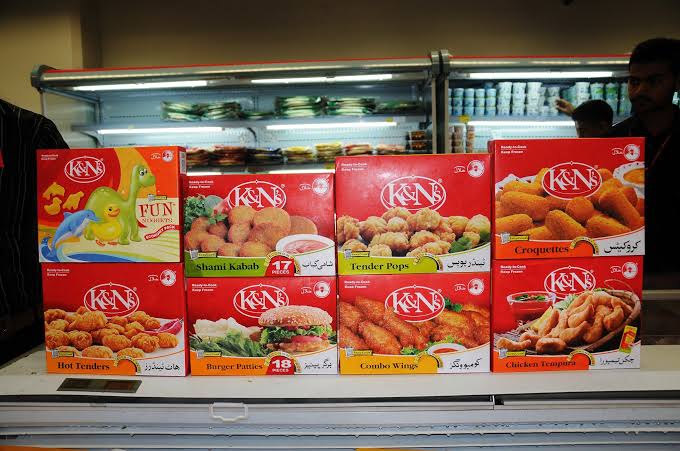
      Everything You Need to Know About K.N. Foods

      • Posted by meh.riztech
      • Categories Blog
      • Date 26 September 2026
      • Comments 0 comment

      Food brands often become familiar to consumers through everyday products long before people take the time to understand the company behind them. K.N. Foods is an example of a food-focused business where understanding its products, operations, quality considerations, and role in the market can provide useful context for consumers and businesses alike. When researching a food company, it is worth looking beyond a product label and considering how the company fits into the broader food supply chain.

      For readers researching related food businesses, suppliers, or industry organizations, K.N. Inc. can also provide a useful point of comparison when evaluating how food-related companies operate and position themselves within their respective markets.

      What Is K.N. Foods?

      K.N. Foods can be understood as a food-oriented business operating within the wider packaged and prepared-food industry. Like other companies in this sector, its activities can involve sourcing ingredients, food preparation or manufacturing, packaging, distribution, and getting products into the hands of consumers or commercial customers.

      The important thing to remember is that a food company is rarely responsible for just one part of the process. What consumers see on a shelf is the result of several connected activities. Ingredient sourcing affects quality, manufacturing affects consistency, packaging affects shelf life, and distribution affects availability.

      This is why evaluating a food company requires more than simply looking at the name of a product. Consumers should consider what products are offered, how they are intended to be used, what information appears on their labels, and whether the products match their individual requirements.

      Understanding K.N. Foods’ Product Offering

      One of the first things people usually want to know about a food company is what it actually produces.

      A practical way to evaluate the product range is to divide foods into categories rather than looking at individual products in isolation. Depending on the company’s current portfolio, categories may include packaged foods, prepared ingredients, specialty food products, or products intended for household and commercial use.

      Look Beyond the Product Name

      A product name does not always tell you everything you need to know.

      For example, two products may appear similar but have significant differences in ingredients, preparation, serving size, storage requirements, or nutritional characteristics. Reading the ingredient list and nutrition information is therefore more useful than relying solely on front-of-package claims.

      This approach is particularly important for people managing food allergies, dietary restrictions, or specific nutritional goals.

      Consider Intended Use

      Food products can also differ according to how they are designed to be used.

      A product intended for direct household consumption may have different packaging and preparation instructions from an ingredient supplied to restaurants or other food businesses. Understanding the intended application helps buyers select the right product and avoid unnecessary waste.

      How to Evaluate a Food Company Step by Step

      Whether you’re a consumer, retailer, restaurant operator, or potential business customer, the same basic evaluation process can help.

      1. Identify the Product Category

      Start by determining exactly what type of food product you’re researching.

      Ask whether it is a ready-to-eat item, cooking ingredient, packaged staple, specialty product, or commercial food ingredient. This establishes the criteria you should use when evaluating it.

      2. Read the Label Carefully

      The label should be one of your most important sources of information.

      Check the ingredient list, serving information, nutrition facts, storage instructions, expiration or best-by information, and allergen statements where applicable.

      For example, someone comparing two sauces shouldn’t evaluate them solely by price. The ingredient composition, serving size, sodium content, and storage requirements may make one option more appropriate than the other.

      3. Examine Packaging and Storage Requirements

      Packaging serves several purposes beyond appearance.

      It can protect food from contamination, moisture, oxygen, light, and physical damage. It can also determine how conveniently a product can be stored after opening.

      Consumers should pay attention to whether a product requires refrigeration, freezing, or special handling.

      4. Compare Availability

      A good product is not particularly useful if it is difficult to obtain when needed.

      Consumers can consider availability at local retailers, specialty stores, food-service distributors, or other legitimate purchasing channels. Businesses should go further and evaluate whether supply appears consistent enough for their operational needs.

      5. Evaluate Value Rather Than Price Alone

      The lowest sticker price isn’t necessarily the cheapest option.

      Suppose one package costs $8 and another costs $10. If the first contains significantly less usable product, the apparent price advantage may disappear. Comparing unit prices, serving sizes, yield, and waste provides a much clearer picture.

      Common Challenges When Researching K.N. Foods

      Researching any food company can present several challenges.

      One common problem is incomplete information. Product availability and portfolios can change, while information found on older websites, directories, or social media pages may no longer reflect current operations.

      Another challenge is separating objective information from marketing language. Terms such as “premium,” “natural,” or “high quality” can mean different things depending on the product and applicable labeling requirements.

      Consumers should therefore prioritize verifiable details such as ingredient declarations, nutrition information, package sizes, storage instructions, and clearly stated product specifications.

      Businesses face another challenge: consistency. A restaurant or retailer needs more than a product that tastes good once. It needs dependable supply, predictable specifications, appropriate packaging, and reasonable shelf life.

      Practical Tips for Consumers and Businesses

      A few simple habits can make researching K.N. Foods or any other food company considerably easier.

      Keep the product label available. If you have questions about ingredients or allergens, having the actual package information is more reliable than depending on a third-party description.

      Compare equivalent products. When comparing prices, use the same unit of measurement whenever possible. Price per ounce, pound, serving, or package can reveal differences that headline prices hide.

      Pay attention to dates. Best-by and expiration information should be interpreted according to the type of food and the manufacturer’s guidance. Don’t assume every date label has the same meaning.

      Consider your actual use case. A product that works well for occasional household use may not be appropriate for a restaurant with high-volume requirements.

      Check storage requirements before buying in bulk. Buying a large quantity can appear economical, but inadequate storage can lead to spoilage and wasted money.

      Don’t ignore allergen information. Anyone with a food allergy should carefully review the current package label and follow applicable safety guidance rather than relying on assumptions about a product.

      Why Food Company Research Matters

      Understanding a company such as K.N. Foods is ultimately about making better decisions.

      For consumers, better research can mean choosing products that fit their dietary preferences, budgets, storage capabilities, and cooking habits. For businesses, it can help with supplier evaluation, menu planning, inventory management, and cost control.

      The food industry also depends heavily on trust. Customers need confidence that the products they purchase are accurately described and handled appropriately throughout the supply chain. Businesses that consistently provide clear product information make it easier for buyers to make informed choices.

      Conclusion

      Learning about K.N. Foods requires more than simply identifying a company name or looking at individual products. A useful evaluation considers the product range, ingredients, labeling, packaging, storage requirements, availability, intended use, and overall value.

      Whether you’re researching a product for your household or evaluating a potential food supplier, the best approach is straightforward: verify the information, compare products on an equal basis, read labels carefully, and consider how the product fits your actual needs. These habits make food purchasing decisions more practical and help separate meaningful product information from surface-level claims.


      • Share:
      author avatar
      meh.riztech

      Previous post

      Cleveland Interior Design Ideas for a Stylish and Functional Home
      26 September 2026

      Next post

      Bitcoin Casino Vergleich 2026: Wallets, Limits und Auszahlungen
      26 September 2026

      You may also like

      Nursing Essay
      Why Am I Scoring Low on My Nursing Essay? 10 Common Mistakes and How to Improve?
      7 October, 2026
      IPTV Subscription vs. Cable TV: Which Is Higher?
      7 October, 2026

      Television has changed dramatically over the previous decade. Traditional cable TV was once the standard way to access entertainment, news, sports, and flicks, however internet-based television services have created new alternatives. One of the most popular options is an IPTV …

      Monthly vs. Yearly IPTV Subscription: Which Ought to You Choose?
      7 October, 2026

      Choosing an IPTV subscription usually comes down to more than just choosing a provider or channel package. One of the crucial necessary decisions is whether or not to pay monthly or commit to a yearly plan. Both options can provide …

      Leave A Reply Cancel reply

      Your email address will not be published. Required fields are marked *

      Search

      Blog Categories

      • Baby First Aid
      • Bez kategorii
      • Blog
      • Business
      • Design / Branding
      • Distance Learning
      • Fire Training
      • First Aid
      • First Aid at Work
      • First Aid For School
      • Health & Social Care
      • Mental Health Awareness
      • Paediatric First Aid
      • Uncategorized

      All Courses

      • Blended and E-Learning
      • Distance Learning
      • Fire Training
      • First Aid
      • Food Hygiene
      • Food Safety
      • Health & Safety
      • Health and Social Care
      • Manual Handling
      • Paediatric First Aid
      • Traditional Learning
      3 Day First Aid at Work

      3 Day First Aid at Work

      £1,395.00
      First Aid Annual Refresher

      First Aid Annual Refresher

      £375.00
      Blended 12 Hour Paediatric First Aid Course

      Blended 12 Hour Paediatric First Aid Course

      £695.00
      logo-eduma-the-best-lms-wordpress-theme

      07814170078

      info@fastresponsepfa.co.uk

      Menu

      • Testimonials
      • About Us
      • Blog
      • Contact
      • Gallery

      Copyright 2023 Powered by Fast Response PFA Ltd – Company Number 7993795