
How healthcare Packaging reduces infection risks in hospitals
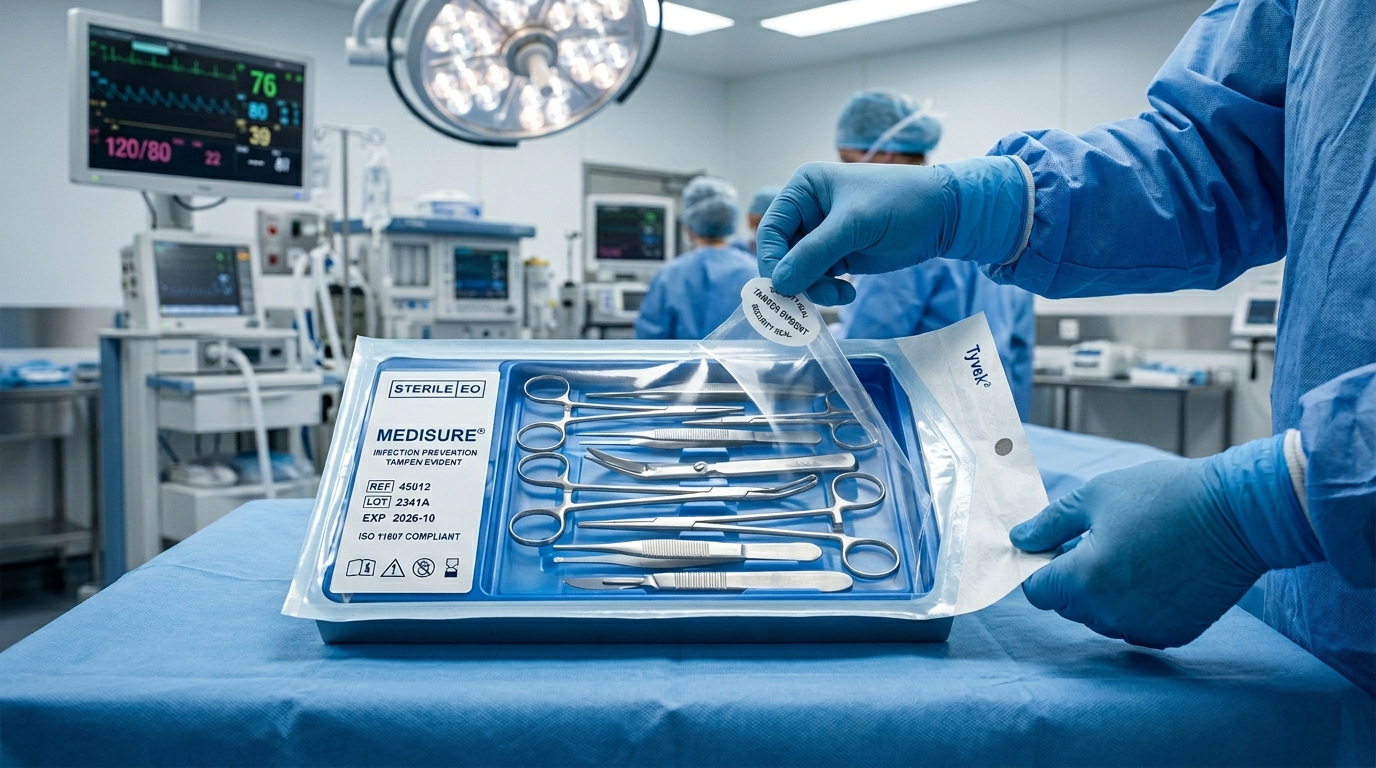
When we think about preventing infections in hospitals, our minds usually go to hand sanitizer, surgical masks, and harsh cleaning chemicals. We rarely think about the box or pouch that holds a surgical scalpel. Yet, healthcare packaging acts as the invisible shield between sterile medical equipment and a world full of dangerous pathogens.
Hospital-acquired infections (HAIs) are a serious concern. They prolong hospital stays, increase medical costs, and put patient lives at risk. A major line of defense against these infections is the physical barrier that protects medical devices before they reach the operating room.
In this guide, we will explore exactly how healthcare packaging reduces infection risks. You will learn about the materials used, the stringent safety standards required, and the best practices hospitals follow to maintain sterile environments.
When manufacturers use Custom Health Packaging, they ensure that the medical device fits perfectly inside its container. If a device moves around too much during shipping, it can puncture the sterile barrier from the inside. A custom fit prevents this movement, reducing the risk of a breach and keeping the device completely sterile until it is needed.
For further context about the seriousness of hospital-acquired infections, you can refer to authoritative data from the Centers for Disease Control and Prevention (CDC) – Healthcare-associated Infections.
The Hidden Role of Packaging in Infection Control
Medical packaging does much more than make products look good on a shelf. In a hospital, packaging has a life-saving job: maintaining the sterility of medical devices from the moment they leave the manufacturer until a doctor or nurse opens them.
Why Hospital Environments Are Vulnerable
Hospitals are high-traffic areas where sick people gather. Even with rigorous cleaning protocols, bacteria and viruses can survive on surfaces and travel through the air. If a medical instrument is exposed to this environment before use, the patient is at immediate risk of infection.
Creating a Sterile Barrier System
The primary goal of medical packaging is to create a Sterile Barrier System (SBS). This system blocks microorganisms from reaching the device inside while allowing the package to be sterilized in the first place. Without a reliable SBS, even the most advanced surgical tools become potential hazards.
If you want deeper technical details on sterile barrier systems and packaging safety, ASTM International provides updated standards and resources on the design and evaluation of medical packaging.
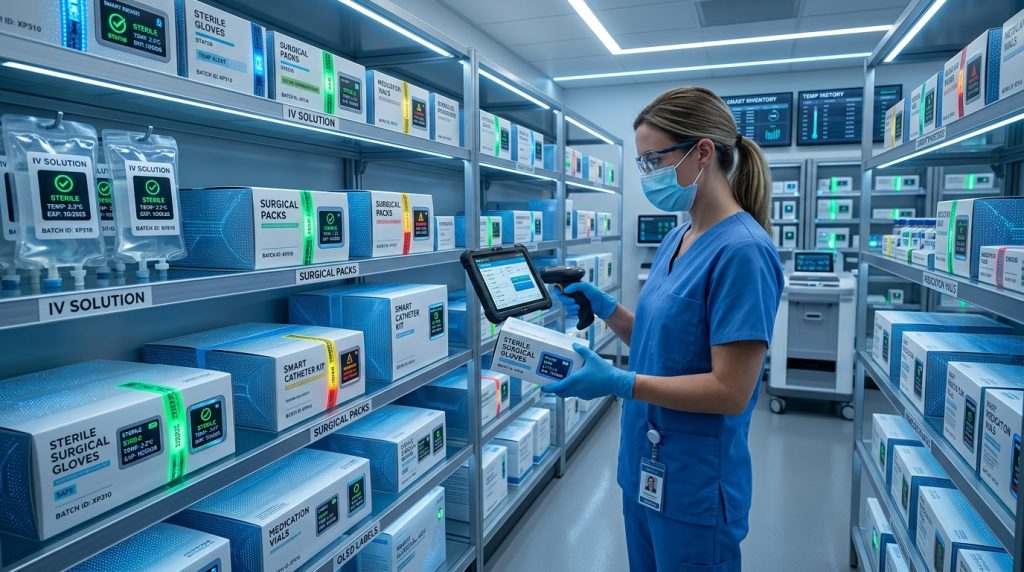
Core Functions of Medical Packaging
To keep patients safe, medical packaging must perform several critical functions simultaneously.
1. Microbial Barrier Protection
The materials used must prevent any bacteria, viruses, or fungal spores from passing through. This barrier must remain completely intact during shipping, handling, and storage.
2. Tamper Evidence
Healthcare workers need to know instantly if a package has been opened or compromised. Tamper-evident seals and tear-away strips provide visual proof that the item inside is still sterile and safe to use.
3. Aseptic Presentation
“Aseptic presentation” means a nurse or surgeon can open the package and transfer the sterile item into the sterile surgical field without contaminating it. The packaging must peel open cleanly without shedding tiny particles of paper or plastic.
Materials Matter: What Goes Into Safe Packaging?
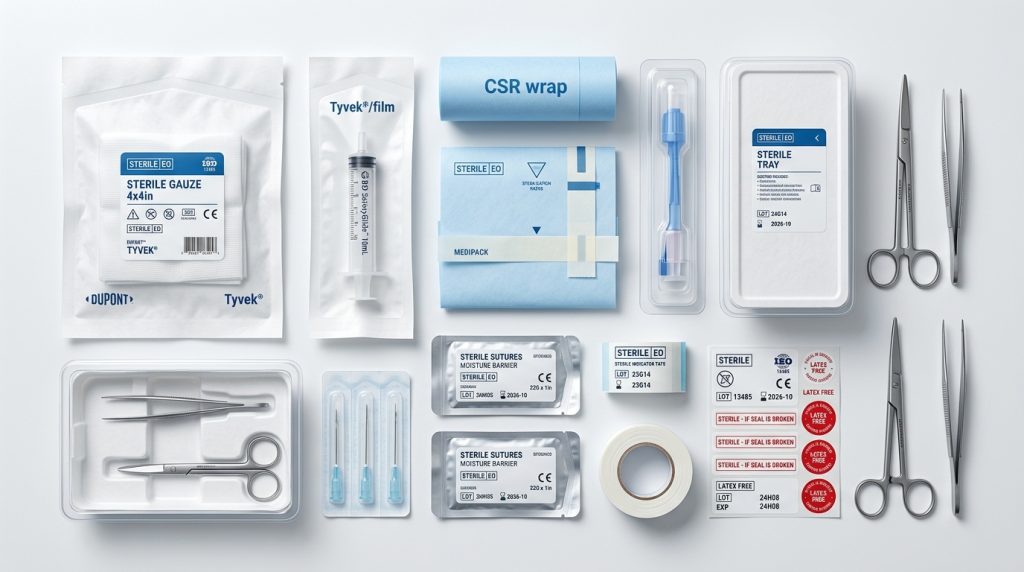
Not all materials can withstand the harsh sterilization processes used in healthcare, such as gamma radiation, ethylene oxide gas, or high-pressure steam.
Comparing Common Healthcare Packaging Materials
| Material Type | Key Characteristics | Common Uses | Infection Control Benefit |
| Tyvek® | Tear-resistant, breathable, waterproof. | Surgical instruments, implants. | Keeps out microbes while letting sterilization gases pass through. |
| Medical-Grade Paper | Cost-effective, porous. | Syringes, lightweight tools. | Provides a reliable bacterial barrier for single-use items. |
| Rigid Plastics (PETG, PC) | Strong, protective, clear. | Heavy surgical kits, sharp tools. | Prevents sharp instruments from puncturing the barrier. |
| Foil Pouches | Blocks light, moisture, and oxygen. | Diagnostic strips, sensitive drugs. | Prevents degradation and contamination of sensitive items. |
For a comprehensive look at medical device packaging materials, visit the U.S. Food & Drug Administration (FDA) – Medical Devices Packaging.
How Tailored Solutions Elevate Hospital Safety
One size does not fit all in the medical field. A massive orthopedic drill requires different protection than a tiny, delicate stent. This is where tailored packaging solutions become essential for infection control.
Additionally, secondary packaging plays a vital role in hospital storage and organization. High-quality Custom Packaging Boxes help hospital supply rooms stay organized, protecting the primary sterile pouches from dust, moisture, and physical damage. When boxes are clearly labeled and sturdy, nurses spend less time searching for tools and handling packages, which naturally reduces the risk of accidental contamination.
Regulatory Standards and Trust in Healthcare Packaging
In the medical industry, you cannot simply guess if a package is safe. Strict international standards govern how medical packaging is designed, tested, and used.
You can consult the International Organization for Standardization (ISO) – Sterile Medical Device Packaging Standards for authoritative details on global regulatory requirements and ongoing updates to key standards like ISO 11607.
ISO 11607 Standard
The gold standard for medical packaging is ISO 11607. It outlines the requirements for materials, sterile barrier systems, and packaging systems for terminally sterilized medical devices. To meet this standard, packaging must undergo rigorous testing, including:
- Seal strength testing: Ensuring the edges do not pop open.
- Dye penetration testing: Checking for microscopic leaks in the seal.
- Accelerated aging: Proving the package will remain sterile for years on a shelf.
FDA Regulations
In the United States, the Food and Drug Administration (FDA) treats medical packaging as a medical device itself. If the packaging fails, the device fails. Manufacturers must prove their packaging processes are validated and consistently produce safe results.
Best Practices for Handling and Storage in Hospitals
Even the best packaging can fail if hospital staff do not handle it correctly. To minimize infection risks, hospitals train their teams to follow strict protocols.
Proper Storage Conditions
Sterile packages must be stored in clean, dry, and temperature-controlled rooms. High humidity can weaken paper-based packaging, while extreme heat can degrade plastics and adhesives.
The Visual Inspection
Before a healthcare professional opens any sterile device, they must perform a visual inspection. They look for:
- Water stains or moisture inside the package.
- Tears, punctures, or tiny pinholes.
- Broken seals or signs of tampering.
- Expired shelf-life dates.
If a package shows any of these signs, it is immediately discarded or sent for re-sterilization. The golden rule in hospitals is: If in doubt, throw it out.
The Future of Healthcare Packaging
The medical packaging industry is constantly evolving to fight infections more effectively.
Smart Packaging
New technologies are introducing color-changing indicators on packages. These labels change color if the package is exposed to extreme temperatures or if the sterile seal is broken, removing the guesswork for nurses.
Antimicrobial Coatings
Researchers are developing packaging materials coated with antimicrobial agents. These coatings actively kill bacteria that land on the outside of the package, providing an extra layer of defense in busy hospital environments.
Conclusion
Healthcare packaging is a vital, highly engineered tool in the fight against hospital-acquired infections. By utilizing specialized materials, rigorous testing, and robust sterile barrier systems, medical packaging ensures that life-saving devices remain safe and uncontaminated. As technology advances, we can expect even smarter packaging solutions to emerge, further protecting patients and healthcare workers alike.
Frequently Asked Questions (FAQs)
What is a Sterile Barrier System (SBS)?
A Sterile Barrier System is the minimum packaging configuration that prevents microorganisms from entering and allows for the aseptic presentation of the product at the point of use.
Why do hospitals use Tyvek instead of regular paper for some devices?
Tyvek is much stronger and more tear-resistant than regular paper. It also produces fewer airborne particles when torn open, which helps keep the operating room clean and sterile.
Can healthcare packaging be recycled?
Sustainability is a growing focus, but infection control always comes first. Currently, any packaging that has been exposed to a patient or biological material is considered biohazardous waste. However, clean secondary outer packaging (like cardboard boxes) can usually be recycled.
How long does medical packaging stay sterile?
It depends on the materials and the validation testing performed by the manufacturer. Some packages guarantee sterility for one year, while others are proven to maintain their barrier for five years or more, provided they are stored correctly and remain undamaged.
