How an Ice Cream Machine Helps Make Frozen Treats
Introduction
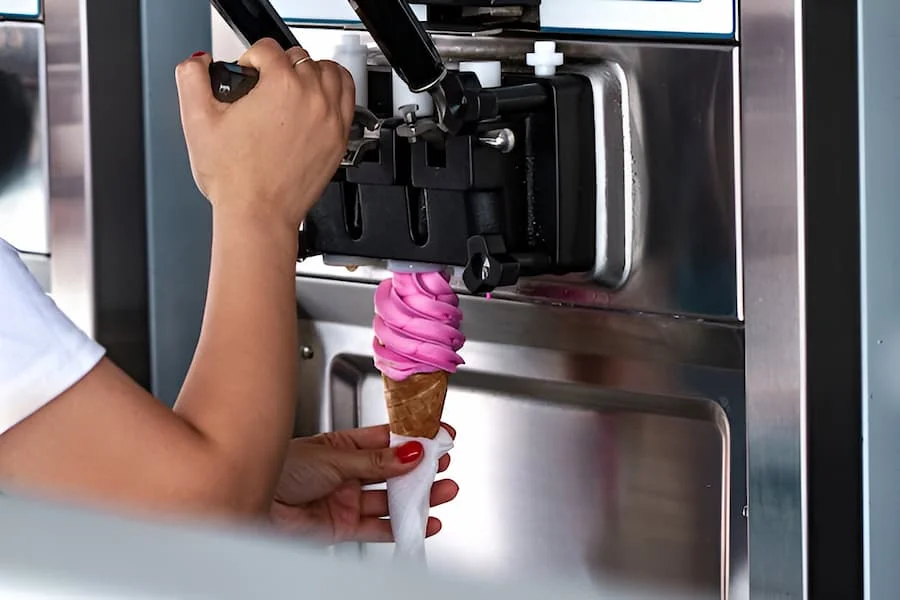
Ice cream machines have transformed the preparation of frozen treats by making it easier to achieve a smooth texture, consistent quality and reliable results. Instead of placing a liquid mixture directly into a freezer and waiting for it to solidify, an ice cream machine freezes the mixture while continuously stirring it. This process controls the formation of ice crystals and incorporates air, creating the creamy texture associated with many popular frozen desserts. Modern machines are available for domestic kitchens, cafés, restaurants and larger food businesses, with different capacities and features to suit various production requirements.
Preparing the Ice Cream Mixture
The process starts with a carefully prepared base. Traditional recipes may contain milk, cream, sugar, flavourings and sometimes eggs, while other recipes use alternative ingredients for different dietary preferences. The ingredients must be thoroughly combined before they are placed into the machine. A balanced mixture is important because the quantities of sugar, fat and water influence how the finished dessert freezes and feels when served.
The mixture may also contain flavourings such as vanilla, chocolate, coffee or fruit. Some recipes are heated before being cooled, particularly when eggs are included. Once the base reaches the appropriate temperature, it can be transferred to the ice cream machine for freezing and churning. A Commercial Ice Cream Machine UK can help businesses produce smooth, consistent frozen treats efficiently and in larger quantities.
Freezing and Churning Together
An ice cream machine performs two important tasks at the same time. It lowers the temperature of the mixture while a paddle or dasher continuously moves through it. This combination is essential because simply freezing the mixture would cause water to form larger ice crystals, potentially resulting in a hard or icy texture.
During churning, the machine keeps the mixture moving as it gradually freezes. This movement distributes the ingredients evenly and prevents excessive freezing against the sides of the bowl. The result is a softer and more uniform frozen product that can often be served soon after the preparation cycle finishes.
Controlling Ice Crystal Formation
Ice crystal size has a major effect on the texture of frozen desserts. Water naturally forms crystals when it freezes, but larger crystals can create a coarse sensation. Continuous agitation helps interrupt crystal growth during the freezing process.
The speed of freezing also affects the final result. Machines designed for efficient cooling can reduce the temperature relatively quickly, helping produce smaller ice crystals. Ingredients also play a role, as sugar and fat influence the amount of water available to freeze. Therefore, the machine and recipe work together to create the desired consistency.
Incorporating Air Into the Dessert
Churning does more than prevent large ice crystals. It also incorporates air into the mixture. This is known as overrun and affects both the volume and texture of the finished ice cream. A controlled amount of air can make the dessert lighter and easier to scoop.
Different machines introduce different amounts of air, depending on their design and operating method. Commercial producers can use this feature to create products with consistent characteristics, while domestic users can experiment with recipes and settings to achieve their preferred texture.
Adding Flavours and Extra Ingredients
Ice cream machines can also make it easier to incorporate additional ingredients. Chocolate pieces, nuts, biscuits, fruit and sauces can be added during or towards the end of the churning process, depending on the machine’s instructions.
Adding ingredients at the appropriate stage helps distribute them throughout the dessert without allowing them to become completely broken down. This gives the finished product additional texture and flavour. Some toppings, such as sauces and fresh fruit, may instead be added after churning when the ice cream is ready to serve.
Types of Ice Cream Machines
There are several types of ice cream machines available. Freezer-bowl models use a removable container that needs to be frozen before the mixture is added. They are generally straightforward to use and can be suitable for occasional home preparation, although advance planning is necessary.
Self-freezing machines contain an integrated refrigeration system. They can cool the mixture without requiring the bowl to be frozen beforehand, making them convenient for frequent use. Commercial machines are designed for higher production demands and may provide larger capacities, stronger motors and faster freezing cycles.
Making Different Frozen Treats
An ice cream machine can be used for more than conventional dairy ice cream. Depending on the model, it may also prepare gelato, sorbet and frozen yoghurt. Sorbet generally contains fruit, sugar and water instead of milk or cream, giving it a lighter and refreshing character.
Frozen yoghurt uses yoghurt as a key ingredient and can be combined with fruits or other flavours. Gelato requires a suitable recipe and preparation method to achieve its characteristic dense texture. Each dessert behaves differently during freezing, so following appropriate recipes and machine instructions is important.
Conclusion
An ice cream machine helps make frozen treats by combining controlled freezing with continuous churning. This process limits large ice crystal formation, incorporates air and distributes ingredients evenly, resulting in smoother and more consistent desserts. Different machines offer different capacities and levels of convenience, from simple freezer-bowl models to commercial equipment designed for regular production. With a suitable recipe and correct preparation, an ice cream machine can make a wide variety of enjoyable frozen treats efficiently and consistently.
Visit fastresponsepfa for more informative blogs.

You may also like

Get Custom Display Boxes That Make Products Stand Out