Local Pest Control Georgina Ontario Home Guide
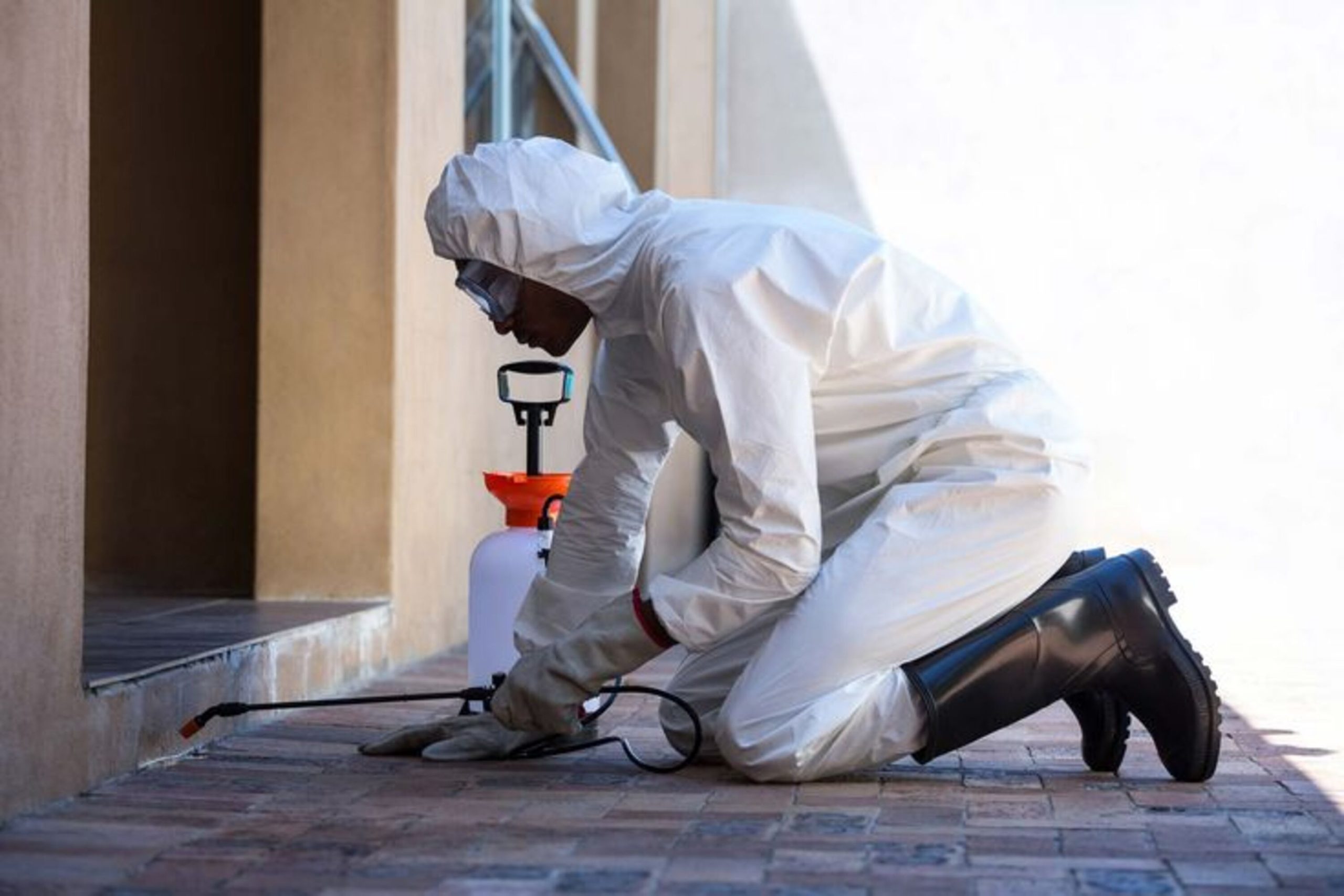
Finding Local Pest Control Georgina Ontario can help homeowners deal with unwanted insects and rodents before a small issue becomes a larger problem. Pest activity can appear in kitchens, basements, garages, attics, gardens, and other areas around a property. Some pests are easy to notice, while others stay hidden for a long time. Knowing the warning signs and taking action early can help protect your home and make pest problems easier to manage.
Why Local Pest Control Georgina Ontario Matters
Local pest control can be helpful because pest activity often depends on the surroundings of a property. Homes near wooded areas, gardens, water, open land, or older structures may experience different pest concerns. Local conditions can affect where pests hide, how they enter homes, and when they become more active.
A professional inspection can help identify these conditions. Instead of focusing only on the pests that are visible, an inspection can look for entry points, nests, food sources, moisture, and other factors that may be supporting the problem.
Early attention can also make treatment simpler. If pests have already spread through several parts of a property, more work may be needed. Homeowners who notice repeated activity should consider getting advice before the issue becomes difficult to control.
Common Pest Problems in Georgina Homes
Different pests can appear throughout the year. Ants may enter homes when temperatures rise and can follow food smells into kitchens and dining areas. They may build colonies near foundations, gardens, patios, or other outdoor areas.
Mice can become a concern when colder weather arrives. They may search for warm shelter and enter through small gaps around doors, pipes, vents, foundations, and other openings. Once inside, they can hide behind walls, under cabinets, or in storage areas.
Wasps and other stinging insects may build nests around roofs, sheds, decks, fences, and other sheltered locations. Homeowners should avoid disturbing active nests because doing so can increase the chance of being stung.
Spiders, flies, beetles, cockroaches, and other insects may also become household concerns. Correct pest identification is important because treatment methods can vary from one pest to another.
How Local Knowledge Can Support Pest Management
A local pest professional can inspect the property with the surrounding environment in mind. They may look at both indoor and outdoor areas to understand how pests are entering and where they are finding food or shelter.
For example, properties with gardens may have different pest pressures from homes with large storage spaces or wooded areas nearby. Understanding these conditions can help create a more suitable treatment and prevention plan.
Local service can also make communication easier for homeowners. When a pest problem requires follow-up, having a provider familiar with the area can make it easier to discuss changes in pest activity and decide what should happen next.
Signs That Your Home May Have Pests
Seeing a pest is not always proof of a large infestation, but repeated sightings should not be ignored. Homeowners should pay attention to droppings, damaged food packaging, scratching sounds, unusual smells, nests, dead insects, or small holes around the property.
Mice can leave droppings near food storage areas or along walls. Ants may appear in lines as they travel between food sources and their nesting area. Wasps may become easier to notice when several insects are entering and leaving the same location.
Damage can also be an important warning sign. Some pests may chew materials, damage stored products, or affect wooden areas. Finding damage together with pest activity is a good reason to investigate the problem.
What Happens During a Professional Inspection?
A pest inspection normally starts with questions about what the homeowner has noticed. The technician may ask when the problem started, where pests have been seen, and whether any treatment has already been attempted.
The property may then be checked inside and outside. Areas such as kitchens, basements, garages, attics, storage spaces, exterior walls, windows, doors, and foundations can provide useful clues.
The inspection helps determine the type of pest and the conditions supporting its activity. Once the situation is understood, the homeowner can receive information about suitable treatment options and prevention steps.
Keeping Families and Pets Safe
Safety should always be considered when dealing with pests. Homeowners should tell the technician about children, pets, sensitive areas, and any special concerns before treatment begins.
Treatment instructions should be followed carefully. Depending on the service, homeowners may need to leave certain areas temporarily, cover food, keep pets away from treated locations, or follow other preparation and aftercare steps.
Professional pest control is not only about removing visible pests. A good plan should also help reduce future activity by addressing entry points, food sources, moisture, and hiding places where possible.
Preventing Pest Problems Around Your Home
Home maintenance can play an important role in pest prevention. Start by checking the outside of the property for cracks and gaps. Pay attention to spaces around pipes, windows, doors, vents, and utility lines.
Food should be kept in sealed containers, and kitchen surfaces should be cleaned regularly. Garbage should be stored in containers with secure lids. Pet food should also be kept away when it is not being used.
Moisture should be managed because damp conditions can attract some insects. Repair leaking taps and pipes, clean gutters, and remove standing water where possible.
Outdoor spaces should also be kept tidy. Remove unnecessary piles of leaves, wood, and other materials near the house. Keep shrubs and plants maintained so they do not create easy access to walls or windows.
When Should You Call a Pest Professional?
Homeowners should consider professional help when pest activity continues despite basic prevention efforts. Repeated sightings, nests, droppings, strange sounds, or visible property damage can all be warning signs.
Professional help may also be useful when the pest cannot be identified. Using the wrong treatment can sometimes waste time without solving the underlying problem. A proper inspection can help identify what is happening before treatment begins.
Some pest problems may also require specialist equipment or methods that are not suitable for general household use. Getting professional advice can reduce unnecessary trial and error.
Choosing a Pest Control Provider
Price is one factor when choosing a pest control provider, but homeowners should also look at the quality of the service. Ask whether the company provides inspections, explains treatment options, and gives clear safety instructions.
It is also useful to ask about follow-up support. Some pest problems may require more than one visit, especially when pests are nesting or entering from an area that is difficult to access.
Homeowners should feel comfortable asking questions. A reliable provider should explain the problem in simple language and help the homeowner understand what can be done to reduce future pest activity.
Pest Prevention Through the Seasons
Pest behavior can change during the year. In spring, insects may become more active as temperatures increase. Summer can bring ants, wasps, flies, and other outdoor pests closer to homes. During autumn, rodents may start searching for warm indoor shelter.
Seasonal inspections can help homeowners find possible entry points before pests take advantage of them. Checking screens, doors, roof areas, foundations, and storage spaces can reveal problems that may otherwise go unnoticed.
Preparing the property before seasonal changes can be easier than dealing with an established infestation. Simple maintenance can support a cleaner and more protected home.
Frequently Asked Questions
What are common pests found in Georgina homes?
Ants, mice, wasps, spiders, flies, beetles, and other insects can become household pests. The exact pest problem depends on the property and surrounding conditions.
How can I tell if mice are inside my home?
Common signs include droppings, scratching sounds, damaged food packages, nesting materials, and unusual smells. Repeated signs should be investigated.
Can I prevent ants from entering my kitchen?
Keep food sealed, clean crumbs quickly, remove accessible water sources, and check for cracks or gaps around windows, doors, and walls.
Is it safe to remove a wasp nest myself?
Removing an active nest can be risky because wasps may become aggressive when disturbed. Professional advice is recommended for nests in difficult or high-risk locations.
How often should homeowners inspect for pests?
There is no fixed schedule for every home. Seasonal checks and additional inspections after previous pest problems can help identify warning signs early.
Final Thoughts
Pest problems can be easier to manage when homeowners act early and understand what is attracting pests to their property. Regular maintenance, good sanitation, sealed entry points, and professional advice can all support long-term prevention. For homeowners who need dependable pest management guidance, Pest Jam provides practical solutions designed around the needs of each property.

You may also like


How Transportation To The Airport Makes Travel Easier