Medical Instrument Manufacturer: Building Reliable Tools for Modern Healthcare
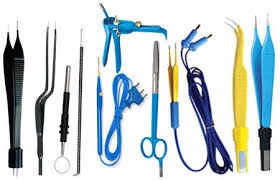
Medical Instrument Manufacturer
Medical instruments play an important role in hospitals, clinics, laboratories, operating rooms, and healthcare facilities. Doctors, surgeons, nurses, and other healthcare professionals depend on properly designed instruments to examine patients, perform procedures, monitor conditions, and provide appropriate care. A reliable medical instrument manufacturer helps meet these needs by producing instruments with attention to quality, accuracy, durability, and safe handling.
The manufacturing of medical instruments requires more than simply producing metal or mechanical tools. Each instrument needs to be designed according to its intended use and manufactured with careful attention to details. From surgical tools to examination instruments, every product should support healthcare professionals in performing their work effectively.
Understanding the Work of a Medical Instrument Manufacturer
A medical instrument manufacturer is involved in the design, development, production, and quality checking of instruments used in healthcare. Manufacturers may produce different types of instruments depending on their area of specialization and the needs of medical professionals.
The manufacturing process usually involves careful material selection, precise shaping, finishing, inspection, and quality control. Every stage can influence the performance and reliability of the final instrument.
A professional approach to manufacturing helps ensure that medical instruments are suitable for their intended applications and can provide consistent performance when handled correctly.
Why Quality Matters in Medical Instruments
Quality is one of the most important considerations in medical instrument manufacturing. Healthcare professionals use instruments in situations where accuracy and proper function can be extremely important.
An instrument with poor finishing, unsuitable material, or improper construction may not perform as expected. This is why manufacturers need to maintain careful production standards throughout the manufacturing process.
Quality-focused manufacturing also involves checking instruments for consistency, surface condition, functionality, and other relevant characteristics before they are prepared for use.
Materials Used for Medical Instrument Manufacturing
The materials used in medical instruments can influence their strength, durability, appearance, and ability to withstand cleaning and sterilization processes. Stainless steel is commonly associated with many surgical and medical instruments because of its useful properties.
Different applications may require different material characteristics. An instrument designed for a specific procedure may need strength and precision, while another may require a particular shape or surface finish.
A knowledgeable manufacturer understands how material selection relates to the intended use of an instrument and chooses suitable materials accordingly.
Precision Is Essential for Healthcare Instruments
Precision is a major part of medical instrument manufacturing. Many instruments are designed with small components, fine edges, specialized tips, or carefully measured dimensions.
Even small differences in shape or alignment can influence how an instrument feels and performs during use. For this reason, manufacturers need appropriate production methods and inspection processes to maintain consistency.
Precise manufacturing can help healthcare professionals handle instruments more comfortably and use them according to their intended purpose.
Surgical Instruments for Professional Procedures
Surgical instruments are among the most important products manufactured for healthcare environments. Surgeons rely on different instruments for cutting, holding, clamping, grasping, retracting, and performing other specialized tasks.
Each instrument is designed for a particular function, which means its shape, size, grip, and working end need to be considered carefully. A manufacturer producing surgical instruments must understand the importance of precision and proper finishing.
Reliable manufacturing can help ensure that instruments are ready for the demanding environments in which surgical teams work.
Examination and Diagnostic Instruments
Medical instruments are not limited to surgical tools. Healthcare facilities also use a wide range of instruments for examination and diagnosis.
Doctors may require instruments for physical examination, measurement, observation, and other clinical tasks. These tools should be easy to handle, appropriately designed, and suitable for repeated professional use when applicable.
A manufacturer that understands different healthcare requirements can develop instruments that support doctors and medical staff during routine examinations and specialized procedures.
Manufacturing With Attention to Instrument Design
Good design can make a significant difference in how a medical instrument is used. The shape of the handle, balance of the instrument, size, working end, and overall construction can affect handling and comfort.
Medical professionals may use certain instruments repeatedly during their daily work, so practical design is important. Instruments should allow appropriate control while reducing unnecessary difficulty during handling.
Manufacturers therefore need to consider both technical requirements and practical use when developing medical instruments.
The Importance of Proper Surface Finishing
Surface finishing is another important part of medical instrument production. A properly finished instrument can have a smoother appearance and may be easier to clean when designed appropriately for that purpose.
Finishing processes can also influence the instrument’s resistance to wear and environmental exposure. Manufacturers need to select suitable finishing methods according to the material and intended application.
Careful finishing reflects attention to detail and contributes to the overall quality of the finished product.
Quality Control Throughout Production
Quality control should not be limited to the final stage of manufacturing. It can be incorporated throughout the production process to identify problems early and maintain consistency.
Manufacturers may inspect materials, dimensions, surface quality, construction, and functionality at different stages. These checks help reduce the possibility of inconsistent products reaching the final stage.
A systematic quality approach can improve manufacturing reliability and help maintain consistent standards across different batches of instruments.
Medical Instrument Manufacturing for Hospitals
Hospitals require a wide range of instruments because they provide many types of medical services. Operating rooms, emergency departments, examination areas, laboratories, and specialized departments may all have different equipment and instrument requirements.
A dependable manufacturer can support healthcare facilities by producing instruments designed for specific professional applications. Understanding the requirements of different departments can help manufacturers create more practical and suitable products.
The healthcare environment demands reliability, so manufacturing quality remains important across every type of medical facility.
Supporting Clinics and Specialized Healthcare Facilities
Clinics may have different instrument requirements depending on the services they provide. A general medical clinic may need examination instruments, while a specialized facility may require instruments designed for a particular field.
Manufacturers can develop products for different professional applications by considering the needs of healthcare practitioners. This allows instruments to be designed around actual clinical use rather than producing a single approach for every situation.
Understanding these differences can help improve the usefulness of medical instruments.
Cleaning and Sterilization Considerations
Many medical instruments need to be cleaned, disinfected, or sterilized according to their intended use and applicable healthcare procedures. Manufacturers need to consider these requirements when selecting materials and designing instruments.
An instrument intended for repeated professional use should be designed with appropriate durability and construction. Its material and finish may also need to be suitable for the cleaning and sterilization processes associated with its application.
Proper handling, cleaning, and sterilization remain essential responsibilities of healthcare facilities, while suitable instrument design can support these processes.
Consistency in Medical Instrument Production
Consistency is valuable when healthcare professionals use instruments regularly. When instruments have consistent dimensions, handling characteristics, and finishing, professionals can become familiar with their use.
Manufacturers need to maintain stable production processes to achieve this consistency. Proper equipment, trained workers, quality inspections, and controlled manufacturing methods can all contribute to reliable production.
Consistent manufacturing also helps healthcare facilities maintain confidence in the instruments they use as part of their professional work.
Innovation in Medical Instrument Manufacturing
Medical technology continues to develop, and instrument manufacturers need to understand changing healthcare requirements. Improvements in materials, manufacturing processes, design methods, and production technology can create opportunities for better instruments.
Innovation does not always mean creating something completely new. It can also involve improving an existing instrument so that it becomes easier to handle, more precise, more durable, or better suited to a particular medical application.
A forward-looking manufacturer can continue improving its production methods while maintaining attention to quality.
Choosing a Reliable Medical Instrument Manufacturer
Healthcare organizations and medical professionals should consider several factors when selecting a manufacturer. Product quality, manufacturing experience, material selection, precision, finishing, quality control, and understanding of medical requirements are all important considerations.
A manufacturer should demonstrate a serious approach to production and understand that medical instruments are professional tools used in important healthcare environments.
Choosing a suitable manufacturing partner can help healthcare organizations obtain instruments that match their intended applications and professional requirements.
Building Trust Through Better Manufacturing
Trust is important in healthcare, and manufacturers contribute to that trust through consistent production and responsible quality practices. Medical professionals need instruments that perform as intended and are manufactured with proper attention to detail.
A strong manufacturing process combines suitable materials, skilled production, careful inspection, practical design, and consistent quality control. These elements work together to create instruments that support the daily work of healthcare professionals.
The Future of Medical Instrument Manufacturing
The demand for dependable medical instruments will continue as healthcare services expand and medical technology develops. Manufacturers will need to respond to changing professional requirements while maintaining strong attention to quality and precision.
Future developments may bring improved materials, more advanced production techniques, better instrument designs, and greater manufacturing efficiency. However, the basic priorities of reliability, safety, precision, and quality will remain important.
A successful medical instrument manufacturer will continue to focus on these core principles while adapting to the changing needs of modern healthcare.
Reliable Instruments Start With Responsible Manufacturing
Medical instruments are essential tools within the healthcare system, and their quality can influence how effectively medical professionals perform their work. From surgical instruments to examination tools, every product requires careful planning, suitable materials, precise manufacturing, and proper quality control.
A professional medical instrument manufacturer understands that manufacturing medical tools requires responsibility and attention to detail. By combining practical design with reliable production methods, manufacturers can support hospitals, clinics, laboratories, surgeons, doctors, and other healthcare professionals.
As healthcare continues to evolve, dependable medical instrument manufacturing will remain an important part of providing professionals with the tools they need for effective and efficient medical care.

You may also like

Coach Hire Near me Bolton for Group Travel