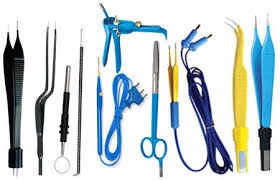
Surgical Instruments in Lahore: Reliable Tools for Modern Medical Care
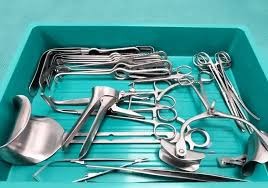
Surgical Instruments in Lahore
Surgical instruments are an important part of professional healthcare. Surgeons, doctors, nurses, and medical teams depend on properly designed instruments to perform procedures with care and precision. The quality, design, material, and condition of these tools can influence how comfortably and effectively medical professionals carry out their work. For hospitals, clinics, and healthcare professionals looking for surgical instruments in Lahore, choosing suitable instruments is an important part of maintaining a reliable medical environment.
Lahore has a large and growing healthcare sector, including hospitals, clinics, surgical centers, laboratories, and specialized medical facilities. As healthcare services continue to develop, the need for dependable surgical tools also continues to grow. Quality instruments can support medical professionals in routine procedures as well as more specialized surgical applications.
Understanding the Importance of Surgical Instruments
Surgical instruments are designed to help medical professionals perform specific tasks during surgical procedures. Different instruments have different shapes, sizes, functions, and handling characteristics. Some are designed for cutting, while others are used for grasping, holding, clamping, retracting, or manipulating tissues and other materials.
Because each instrument has a specific purpose, selecting the appropriate tool is important. Medical teams need instruments that are suitable for the procedure and comfortable to handle. Proper instrument selection can help professionals maintain control and perform their work according to established medical practices.
Finding Suitable Surgical Instruments in Lahore
Healthcare facilities have different requirements depending on the type of medical services they provide. A general hospital may need a broad range of surgical tools, while a specialized clinic may require instruments designed for specific procedures.
When looking for surgical instruments in Lahore, healthcare professionals can consider factors such as material quality, design, precision, durability, finishing, and intended use. These factors can help determine whether an instrument is appropriate for a particular medical environment.
The right instruments should support professional work while being practical for regular handling and proper maintenance.
Precision Matters in Surgical Tools
Precision is one of the most important qualities of a surgical instrument. Many procedures require instruments with accurately formed working ends, smooth movement, proper alignment, and reliable grip.
Even a small manufacturing difference can affect how an instrument performs. This is why quality manufacturing and careful inspection are important when producing surgical tools.
Precision also helps medical professionals become familiar with their instruments. When instruments are made consistently, surgeons and other healthcare workers can develop confidence in their handling.
Stainless Steel and Surgical Instrument Quality
Material selection plays an important role in surgical instrument manufacturing. Stainless steel is widely used for many surgical instruments because it offers useful characteristics such as strength, durability, and resistance to corrosion when properly maintained.
Different medical applications may require different material properties. The selected material should be suitable for the instrument’s intended function and the cleaning and sterilization procedures associated with its use.
Good material selection, combined with proper manufacturing and finishing, can contribute to the overall quality and working life of surgical instruments.
Surgical Scissors for Different Medical Applications
Surgical scissors are common instruments used in many medical environments. They can be designed for different cutting tasks and may vary in shape, size, blade design, and handling style.
The appropriate type of scissors depends on the intended medical application. Some procedures require fine and precise cutting, while others may require stronger cutting performance.
Properly manufactured scissors should provide controlled movement and suitable cutting performance while allowing healthcare professionals to handle them comfortably.
Forceps for Controlled Handling
Forceps are another important category of surgical instruments. They are used for grasping, holding, manipulating, or handling tissues and materials during different procedures.
Different forceps have different tip designs and shapes because each type is developed for particular applications. The grip and alignment of the instrument are also important because they can influence how precisely it can be controlled.
Healthcare professionals need to select forceps according to the procedure and the specific task they are expected to perform.
Clamps and Hemostatic Instruments
Clamps are designed for controlled holding or clamping during surgical procedures. Hemostatic instruments are commonly associated with controlling blood vessels and supporting surgical teams during procedures.
The design of these instruments needs to provide reliable movement and appropriate grip. Locking mechanisms, handle design, jaw alignment, and overall construction can all influence usability.
Consistent manufacturing is particularly important for instruments that require controlled locking and releasing during professional use.
Retractors and Surgical Access
Retractors help surgical teams maintain access to an area during a procedure. They may be designed to hold tissues or other structures away from the working area, depending on the type of procedure.
Different retractors are available for different applications, and their size and shape can vary considerably. The correct design can help medical professionals maintain a suitable working area during surgery.
The instrument should be selected according to the procedure and handled according to appropriate professional practices.
Importance of Proper Instrument Finishing
The surface finish of a surgical instrument can influence its appearance, handling, cleaning, and maintenance. A properly finished instrument should have an appropriate surface without unnecessary roughness or defects.
Careful finishing is especially important for instruments that are regularly cleaned and sterilized. The material and surface should be appropriate for the processes recommended for that particular instrument.
Good finishing also reflects the level of attention given to the manufacturing process.
Surgical Instrument Manufacturing in Lahore
Lahore has a strong connection with Pakistan’s wider medical and surgical manufacturing sector. The city provides access to healthcare professionals, medical facilities, suppliers, manufacturers, and other businesses involved in the healthcare industry.
For local hospitals and clinics, sourcing surgical instruments in Lahore can make it easier to find tools suited to their professional requirements. Local availability can also support communication between healthcare organizations and suppliers or manufacturers.
The most important consideration remains the quality and suitability of the instruments rather than simply where they are obtained.
Instruments for Hospitals and Surgical Centers
Hospitals often require a wide variety of surgical instruments because they provide different types of medical services. Operating rooms may need general surgical tools as well as specialized instruments for particular procedures.
Surgical centers may have more focused requirements based on the procedures they perform. Understanding these needs allows healthcare facilities to organize their instruments more effectively.
Proper selection can help medical teams ensure that the necessary tools are available when required.
Care and Maintenance of Surgical Instruments
Even high-quality surgical instruments require proper care. Cleaning, inspection, sterilization, storage, and appropriate handling are important parts of maintaining medical tools.
Healthcare facilities should follow the cleaning and sterilization procedures recommended for the particular instruments they use. Instruments should also be inspected regularly for signs of wear, damage, corrosion, loose parts, or other issues that could affect their function.
Good maintenance can help preserve instrument performance and support a safer professional working environment.
Why Instrument Design Matters to Surgeons
A surgeon may handle an instrument repeatedly during a procedure, making ergonomic design an important consideration. The shape of the handle, balance, weight, grip, and movement can affect how comfortable the instrument feels during use.
An instrument should allow appropriate control without creating unnecessary difficulty. Well-designed tools can support precise movements and help professionals work more efficiently.
Manufacturers therefore need to consider both technical performance and practical handling when developing surgical instruments.
Choosing Surgical Instruments for Professional Use
Healthcare facilities should carefully consider their specific needs before selecting surgical instruments. The intended procedure, instrument type, material, design, quality, and maintenance requirements can all influence the decision.
It is also important to work with a reliable source that understands medical instrument requirements and can provide products suitable for professional applications.
A thoughtful selection process can help hospitals and clinics build a dependable collection of surgical tools.
Supporting Better Healthcare Through Quality Instruments
Good surgical instruments are part of a larger healthcare system. They work alongside trained professionals, medical equipment, proper procedures, sterilization systems, and organized operating environments.
When healthcare professionals have suitable instruments, they can focus more effectively on their clinical responsibilities. Reliable tools can support accurate handling, controlled movements, and efficient surgical workflows.
This is why instrument quality should always be treated as an important consideration in healthcare settings.
The Growing Need for Surgical Instruments in Lahore
As Lahore’s healthcare sector continues to grow, the need for dependable surgical tools is likely to remain important. New hospitals, clinics, specialized medical centers, and expanding healthcare services can all require different types of instruments.
Modern surgical practices may also create demand for improved designs, specialized tools, and instruments manufactured with greater precision.
The future of surgical instrument supply will therefore depend on manufacturers and suppliers continuing to understand the changing requirements of healthcare professionals.
Choose Quality for Better Medical Performance
Finding suitable surgical instruments in Lahore is an important task for hospitals, clinics, surgeons, and other healthcare professionals. Surgical tools need to be carefully designed, properly manufactured, appropriately finished, and maintained according to professional requirements.
From scissors and forceps to clamps, retractors, and specialized surgical tools, every instrument has a specific role. The right material, precise construction, comfortable handling, and proper maintenance can contribute to reliable performance.
For healthcare facilities in Lahore, choosing quality surgical instruments means looking beyond appearance and focusing on function, durability, precision, and suitability. With dependable instruments and proper professional practices, medical teams can create a more organized and effective environment for surgical care.