Mold Remediation Services Help Protect Your Property
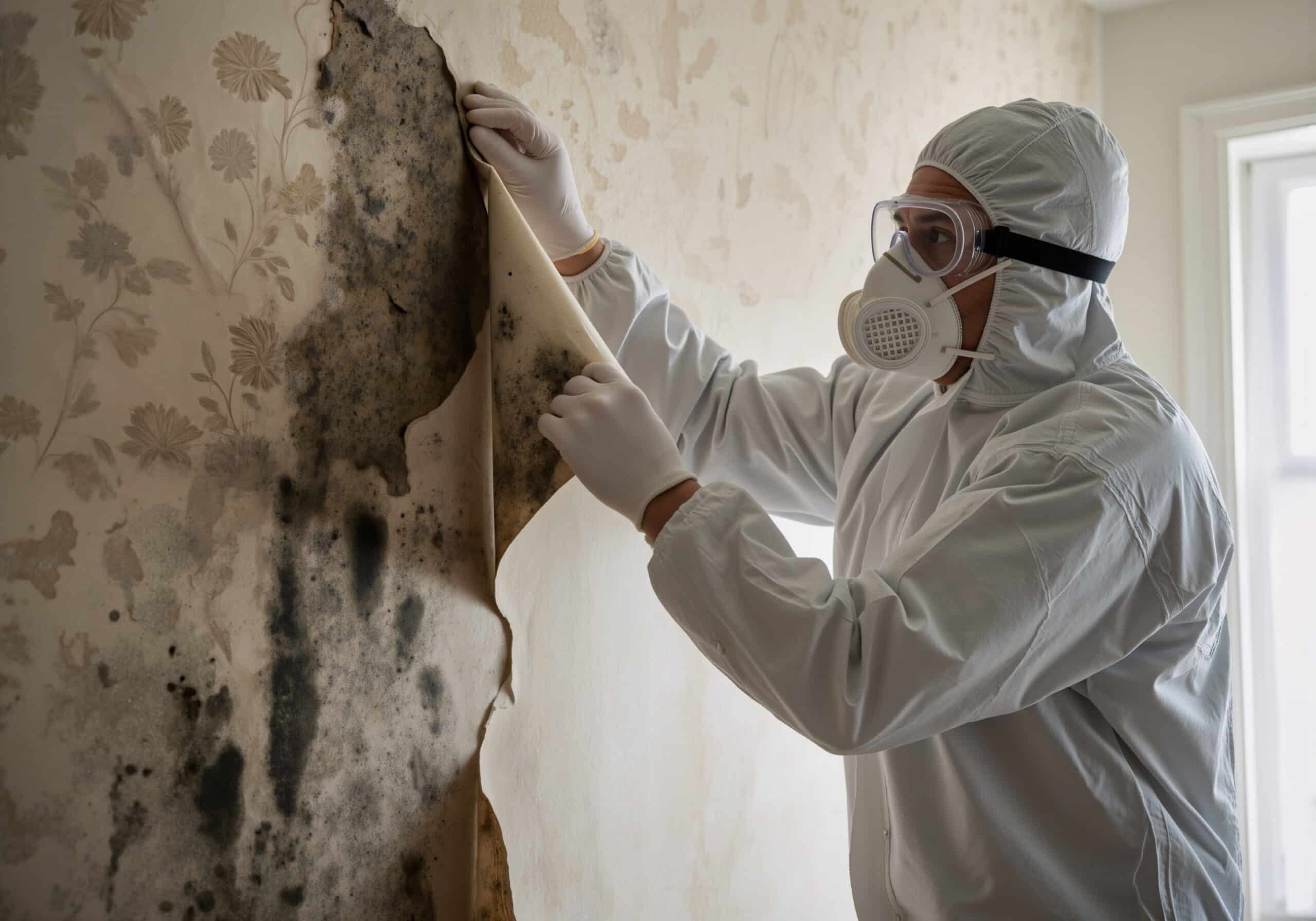
Mold can become a serious property concern when moisture remains in a home or business for too long. Leaking pipes, flooding, roof leaks, poor ventilation, and water damage can create damp conditions where mold can grow. Once mold appears, simply wiping the visible surface may not solve the problem. Professional mold remediation services can help identify the source of moisture, address affected areas, and restore a cleaner and healthier property environment.
What Causes Mold Growth?
Mold needs moisture and a suitable surface to grow. Water damage is one of the most common reasons mold develops indoors. A small plumbing leak behind a wall can create hidden moisture, while flooding can leave carpets, drywall, wood, and other materials wet for extended periods.
Poor ventilation can also increase indoor moisture. Bathrooms, basements, kitchens, and other areas with high humidity may be more vulnerable to mold growth. Roof leaks and damaged windows can introduce additional moisture during rain and storms.
Finding and correcting the moisture source is an important part of effective mold remediation. If the underlying moisture problem continues, mold may return after cleanup.
Signs You May Have a Mold Problem
Mold is not always immediately visible. Sometimes the first warning sign is a musty or damp odor. Other signs may include dark spots, discoloration, peeling paint, damaged drywall, or moisture around floors and ceilings.
Common signs of possible mold growth include:
- Musty odors
- Dark or discolored spots
- Damp walls or ceilings
- Peeling paint
- Stained drywall
- Persistent moisture
- Wet carpets
- Mold around windows
- Water-damaged materials
- Recurring condensation
If you notice these signs after a leak or flooding event, inspect the affected area carefully. Hidden mold may develop behind walls, underneath flooring, or inside other materials.
Why Professional Mold Remediation Matters
Mold cleanup requires more than removing what can be seen. Mold can affect surfaces and materials in areas that are difficult to reach. Improper cleaning may leave contamination behind or disturb affected materials unnecessarily.
Professional remediation services can help assess the affected area and determine the appropriate cleanup approach. Technicians can identify moisture sources, contain affected mold remediation services when necessary, remove damaged materials, and clean surfaces using appropriate equipment and procedures.
Professional help can be especially useful after significant water damage or when mold covers a large area.
The Mold Remediation Process
The remediation process generally starts with an inspection. Professionals examine the property for visible mold, moisture, water damage, and areas that may have hidden moisture.
The next step is identifying the source of the moisture. This could be a plumbing leak, roof problem, flooding, condensation, or another water issue. Correcting the source helps reduce the chance of recurring mold.
Affected areas can then be cleaned and treated. Depending on the condition of the materials, some items may be restorable while others may need removal and replacement.
Proper drying is also important. Dehumidifiers, air movement, and other professional equipment can help reduce remaining moisture. The goal is to leave the affected area clean, dry, and properly restored.
Mold After Water Damage
Water damage and mold often go together. When a property experiences flooding or a major leak, materials can remain damp long after visible water disappears. Moisture trapped inside walls, flooring, or insulation can create favorable conditions for mold.
For this reason, water damage should be addressed as soon as possible. Professional water extraction and drying can help reduce the moisture that supports mold growth.
If mold has already developed, specialized remediation may be required. Addressing both the water damage and mold problem can provide a more complete restoration solution.
Common Areas Where Mold Can Develop
Mold can grow in many areas of a property. Bathrooms and kitchens are common locations because they often contain moisture and humidity. Basements can also be vulnerable because water may enter through foundations, plumbing systems, or poor drainage.
Other potential areas include:
- Attics
- Crawl spaces
- Laundry rooms
- Around windows
- Under sinks
- Behind appliances
- Inside walls
- Under carpets
- Around damaged roofs
Regular inspections can help identify moisture problems before they become larger restoration issues.
How to Help Prevent Mold
Preventing moisture buildup is one of the best ways to reduce the risk of mold. Repair plumbing leaks promptly and address roof leaks as soon as they are discovered. Use ventilation in bathrooms and kitchens to reduce excess humidity.
After flooding or water damage, begin water removal and drying as quickly as possible. Do not leave wet carpets, furniture, drywall, or other porous materials sitting in moisture for extended periods.
Regularly checking gutters, drainage systems, plumbing connections, and exterior areas can also help prevent unwanted water intrusion.
When to Contact Mold Remediation Professionals
Small areas of surface mold may sometimes be manageable, but larger or recurring problems may require professional attention. You should consider professional remediation when mold continues to return, there has been significant water damage, moisture is hidden behind walls, or affected materials are extensive.
Professional technicians have the equipment and experience needed to evaluate moisture problems and develop an appropriate remediation plan.
Restore Your Property After Mold Damage
Mold can develop quickly when moisture problems are ignored. Taking action early can help limit the spread of moisture and reduce the need for extensive restoration.
24 Hour Flood Pros provides professional mold remediation services to help homeowners and businesses address mold and moisture-related property problems. Our services focus on identifying moisture sources, cleaning affected areas, removing damaged materials when necessary, and helping restore the property.
If you discover mold after a leak, flood, storm, or plumbing problem, do not ignore it. Professional assessment and timely remediation can help protect your property and support a cleaner, safer, and more comfortable indoor environment.

You may also like
Storm Damage Restoration Helps Protect Your Property