Oil Drain Valve: Benefits, Applications, and Maintenance Tips
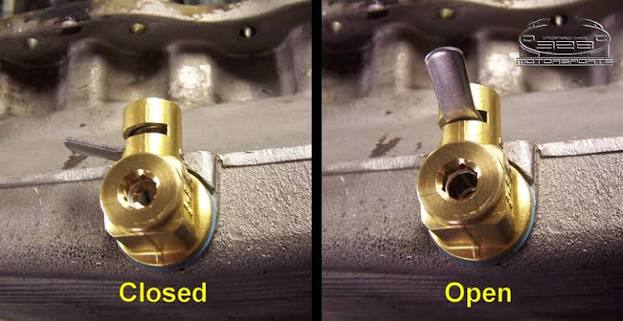
Changing engine oil is one of the most routine maintenance tasks for vehicles and equipment, but the process can still be messy, time-consuming, and unnecessarily difficult. Removing a traditional drain plug often means working underneath machinery, handling hot oil, and dealing with a plug that may be overtightened, damaged, or difficult to access. An oil drain valve can make this routine job considerably easier by providing a controlled way to drain used oil.
Oil drain valves are useful in automotive, agricultural, industrial, marine, and equipment-maintenance applications. They are especially valuable when oil changes are performed frequently or when access to a conventional drain plug is inconvenient. However, installing a valve is not enough by itself. Correct selection, installation, inspection, and maintenance are important for preventing leaks and protecting equipment.
What Is an Oil Drain Valve?
An oil drain valve is a replacement for, or an alternative to, a conventional oil drain plug. Instead of removing a plug completely to release the oil, the valve can be opened to allow the fluid to drain through a controlled passage.
Most designs use a threaded body that fits into an existing drain opening. Depending on the design, the valve may use a lever, screw mechanism, push-button system, or another method of controlling flow. Some models can also accommodate a hose or extension, allowing used oil to be directed into a collection container with less splashing.
The main purpose is simple: make fluid drainage more controlled and convenient without compromising the sealing function of the original drain opening.
For example, consider a fleet vehicle that receives an oil change every few thousand miles. A conventional drain plug has to be removed and reinstalled during every service. A properly installed drain valve can reduce the handling required and make it easier for technicians to direct oil into a waste container.
Benefits of Using an Oil Drain Valve
Faster and cleaner oil changes
One of the biggest advantages is convenience. A valve can allow oil to drain without completely removing a threaded plug. When combined with a suitable hose, the flow can be directed straight into a collection container.
This can reduce spills on shop floors, vehicle components, and driveways. Less mess also means less time spent cleaning up after routine maintenance.
Reduced thread wear
Repeatedly removing and reinstalling a drain plug places stress on the threads in the oil pan. This is particularly important with aluminum oil pans, where damaged threads can become an expensive repair.
A drain valve remains installed during routine oil changes, reducing the number of times the original threads are disturbed.
Better control over drainage
A valve allows the technician to start, stop, or control the oil flow more deliberately. This can be helpful when the collection container has limited capacity or when the oil needs to be collected for proper disposal.
Easier access in difficult locations
Some machinery has drain openings positioned in cramped or awkward areas. A valve with the correct profile or extension can make the drain point easier to reach.
This is particularly useful for tractors, generators, commercial vehicles, compressors, and other equipment where frequent maintenance is required.
How to Choose and Install an Oil Drain Valve
Selecting the right valve is more important than simply choosing a model that appears to fit. The valve must match the equipment’s drain opening and operating conditions.
Step 1: Identify the drain plug specifications
Check the original drain plug for thread diameter, thread pitch, and sealing requirements. Do not assume that two plugs with similar outside dimensions use the same thread.
If you’re uncertain, consult the equipment manufacturer’s specifications or measure the existing plug accurately.
Step 2: Consider clearance
Measure the space around the drain opening before installation. A valve that fits the threads but extends too far downward could become vulnerable to impact from road debris, rocks, tools, or other objects.
Ground clearance is particularly important on cars, trucks, ATVs, and off-road equipment.
Step 3: Check temperature and fluid compatibility
The valve should be rated for the operating temperature and lubricant being used. Engine oil, hydraulic fluid, gear oil, and other fluids can have different requirements.
For heavy-duty equipment, pay attention to the manufacturer’s material and temperature specifications rather than selecting a valve based solely on price.
Step 4: Install it correctly
Drain the oil and allow the equipment to cool to a safe working temperature. Clean the drain opening and inspect the threads before installation.
Follow the valve manufacturer’s instructions regarding sealing washers, thread sealant, and tightening torque. Avoid excessive force. Over-tightening can damage threads or distort sealing surfaces.
Step 5: Test for leaks
After installation, refill the system to the correct level and inspect the valve carefully. Run the engine or operate the equipment according to the manufacturer’s procedure, then check again for signs of leakage.
A few minutes spent inspecting the installation can prevent a much larger problem later.
Common Applications
Oil drain valves are used across many industries.
Passenger vehicles and trucks: They can simplify recurring engine oil changes, particularly for vehicles that receive frequent service.
Agricultural machinery: Tractors and other farm equipment often have large oil capacities and awkward drain locations. A controlled valve can make scheduled maintenance easier.
Generators: Backup and industrial generators require regular oil changes. A drain valve can make servicing more efficient, especially when access is limited.
Construction equipment: Excavators, loaders, compressors, and similar machines can benefit from easier fluid-draining procedures.
Marine equipment: Boats and marine engines may have restricted access around service points, making controlled oil drainage particularly useful.
Common Mistakes and Challenges
Choosing the wrong thread size
A valve that appears close to the correct size may still have an incompatible thread pitch. Forcing it into the opening can cause expensive damage.
Ignoring physical clearance
A valve positioned underneath a vehicle or machine can be exposed to impacts. Before installation, consider where the valve will sit relative to the ground and surrounding components.
Overlooking the seal
Even a correctly sized valve can leak if the sealing washer is missing, damaged, incorrectly positioned, or unsuitable for the application.
Forgetting to inspect the valve
Because the valve stays installed between oil changes, technicians sometimes stop paying attention to it. That is a mistake. Every service should include a quick inspection for seepage, damage, looseness, or contamination around the valve.
Practical Maintenance Tips
Keep the valve clean so dirt does not interfere with its operating mechanism. During every oil change, inspect the valve and surrounding area before opening it.
Watch for slow oil accumulation around the fitting. A small wet spot should not automatically be dismissed as harmless, especially if it becomes larger over time.
If the valve has a protective cap, keep it installed when the valve is not being used. For equipment exposed to mud, dust, or road debris, additional protection may be worthwhile.
Never rely on the valve alone when performing maintenance. Follow the equipment manufacturer’s oil-change interval, lubricant specification, fluid capacity, and safety procedures.
Finally, dispose of used oil responsibly. Collect it in a suitable container and take it to an approved recycling or collection facility rather than pouring it onto the ground or into a drain.
Conclusion
An oil drain valve can turn a messy, repetitive maintenance task into a cleaner and more controlled process. Its advantages include easier oil changes, reduced drain-plug handling, better fluid control, and improved accessibility in certain applications.
The key is choosing a valve that matches the equipment’s threads, clearance, temperature, and operating conditions. Proper installation and routine inspection are equally important. When treated as part of a complete maintenance routine rather than simply a convenience accessory, an oil drain valve can provide practical long-term benefits for vehicles and machinery.

You may also like

How AI Automation Improves Business Workflows