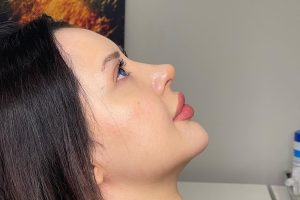
How Do Peptides Support Healthy Skin and Ageing

Peptides have become a popular term in skincare and weight management due to their capacity to alter physiological functions. Peptides are short chains of amino acids that serve as the foundation of proteins like elastin and collagen in skincare. They contribute to the skin’s moisture, suppleness, and elasticity. Our natural collagen production decreases as we get older, resulting in drooping skin, wrinkles, and fine lines. Peptides can tell the skin to generate more collagen, promoting a younger appearance. The identical principle of peptide signalling, where peptides replicate appetite- and metabolism-regulating hormones, is fascinatingly applicable to weight control. You can gain knowledge of their larger biological consequences, such as their role in skin health and aging, by learning How Do Peptides Work For Weight Loss. This guide delves into different ways peptides contribute to youthful skin and healthy ageing.
Encouraging Collagen Production
Structure and firmness are provided by collagen, the skin’s most common protein. As we get older, our bodies produce less collagen, which causes wrinkles and sagging. Specifically, signal peptides, which are a class of peptides, communicate with the skin to instruct it to increase collagen synthesis. They enter the skin’s surface when applied topically and stimulate fibroblasts, the cells that create collagen, to produce more. The end effect is a younger-looking appearance, fewer fine wrinkles, and greater skin elasticity. Consistent use of peptide-containing skincare products can significantly enhance skin texture and firmness over time.
Skin Firmness and Elastin Support
Another crucial protein that gives skin its ability to stretch and rebound is elastin. Elastin formation diminishes with age, much like collagen, leading to drooping and a loss of suppleness. Some peptides promote elastin production, which helps preserve the skin’s structural integrity. Peptides target two of the main causes of skin ageing by encouraging the creation of both collagen and elastin. Because of this double action, peptides are a useful component in anti-ageing skincare products created to bring back firmness and elasticity.
Improving Skin Barrier Function
For defence against environmental aggressors, moisture retention, and irritation prevention, a healthy skin barrier is crucial. By boosting the synthesis of proteins and lipids, which strengthen the skin’s outer layer, peptides can help maintain the skin’s barrier. This contributes to minimising water loss, maintaining skin hydration and plumpness. The risk of inflammation and early aging is lowered by a robust barrier, which also protects against bacteria, UV damage, and pollution. Peptides that promote barrier function are very helpful for skin that is sensitive or dry.
Decreasing Oxidative Stress and Inflammation
A significant role in skin aging is played by oxidative stress and chronic inflammation. Antioxidant-rich peptides can lessen oxidative damage to skin cells by neutralising free radicals. Anti-inflammatory characteristics are also present in some peptides, which help reduce redness and discomfort. Peptides help promote a more even, glowing complexion and slow down the obvious signs of aging by tackling these fundamental issues. As a result, they are useful for those who are sensitive to environmental damage.
Increasing Skin Hydration
Youthful skin requires hydration. By bolstering the skin’s inherent moisture-holding systems, peptides may improve hydration. Some peptides promote the creation of hyaluronic acid, which is a molecule that attracts and retains moisture in the skin. Others decrease transepidermal water loss by enhancing the skin’s barrier function. The outcome is skin that appears healthier and dewy, is more plump, and feels softer. Serums and moisturisers containing peptides are a great approach to increase hydration for all skin types.
Boosting Wound Repair and Healing
Peptides are involved in the skin’s inherent repair mechanisms. According to studies, some peptides, such as copper peptides, can promote tissue regeneration and wound healing. They encourage the migration of cells to the injury site and promote the synthesis of collagen and other structural proteins. Due to this, peptides are useful for mending damage brought on by acne, surgery, or environmental stressors. Their regenerating qualities help to make skin stronger and healthier over time.
How to Deal With Uneven Skin Tone and Pigmentation
Certain peptides can help regulate melanin synthesis, thereby addressing hyperpigmentation and uneven skin tone. These peptides aid in achieving a more radiant and uniform complexion by disrupting the process that results in dark spots and discolouration. For those experiencing melasma, sun damage, or age-related pigmentation, this is especially useful. Peptides are a mild but potent substitute for stronger whitening treatments, making them ideal for delicate skin.
In conclusion
Supporting skin health and aging may be done effectively with peptides. They address several elements of skin health by stimulating collagen and elastin synthesis, improving hydration, reducing inflammation, and aiding in repair processes. They are also crucial to weight control, where they control metabolism and appetite because of their capacity to impact biological signalling. Understanding How Do Peptides Function For Weight Loss offers significant insight into their larger biological roles, emphasising their significance in both skincare and overall health. Whether used topically or for medical reasons, peptides are a sophisticated and useful instrument for promoting long-term health and wellbeing as well as a more youthful and healthy appearance.
Visit fastresponsepfa for more informative blogs.
Tag:Peptides

You may also like

Online Doctor Appointment: When It Works and How to Prepare

Does Inverted Nipple Surgery Leave Scars?