
Skin Laser Treatment in Johar Town, Lahore: A Safe, Realistic Guide Before You Book
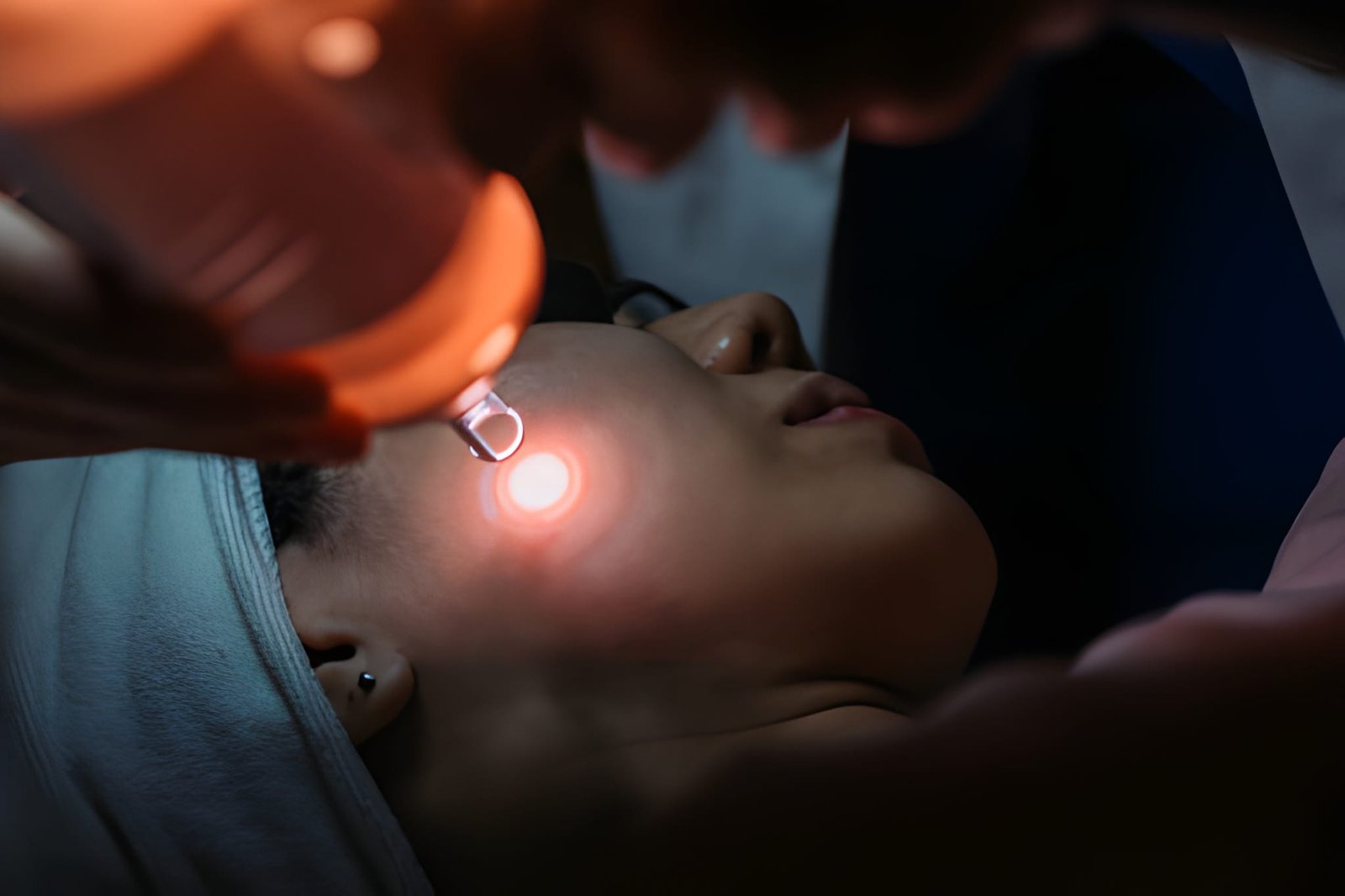
Laser treatment is often sold as a quick fix: a few sessions and the scars, dark spots, or unwanted hair are gone. The reality is more nuanced. Lasers are genuinely useful medical-aesthetic tools, but results depend on the concern being treated, the device used, your skin tone, and the skill of the person operating it. In Lahore, where most people have medium to deep skin tones and strong year-round sun exposure, these details matter even more.
How Skin Laser Treatment in Johar Town, Lahore works, which concerns they can and cannot help, the risks to understand first, and how to choose a provider. It also describes how Elora Dental and Aesthetics in Johar Town, Lahore approaches aesthetic care.
How Lasers Work on Skin
A laser produces light of a specific wavelength. Different structures in the skin absorb different wavelengths: pigment (melanin), blood in small vessels (hemoglobin), and water. Once absorbed, the light turns to heat. That heat can break up pigment, damage a hair follicle so it grows less, close a small vessel, or trigger the skin to renew itself and produce collagen.
Lasers are commonly grouped into two types:
- Ablative lasers remove thin layers of skin. They can give stronger results for deeper scars and wrinkles, but involve longer healing and a higher risk of complications.
- Non-ablative lasers heat deeper layers without removing the surface. Recovery is shorter, but more sessions are usually needed, and results are gradual.
What Laser Treatment Can Help With
Unwanted hair. Laser hair reduction targets pigment in hair follicles. It typically reduces hair growth significantly across a course of sessions, though “permanent reduction” is a more accurate term than “permanent removal,” and occasional maintenance may be needed. It works best on dark hair; very light, grey, or white hair responds poorly.
Pigmentation. Sun spots and some forms of discoloration can respond well. Melasma is more complicated, as explained below.
Acne scars. Fractional lasers can improve the texture of indented scars by stimulating collagen. Improvement is usually partial rather than complete, and builds over several sessions.
Texture, pores, and fine lines. Gentle resurfacing can smooth the skin’s surface and improve tone.
Redness and visible vessels. Vascular lasers target small facial blood vessels.
What lasers do not do: they don’t cure acne, replace sun protection, remove deep scars entirely, or deliver the same result for every person. Any provider who promises complete, guaranteed results is overselling.
An Original Look: The “Three-Way Match” for Safe Results
A useful way to think about laser safety is that three things must match, and a mismatch in any one raises risk.
- Match the device to the concern. Hair, pigment, vessels, and scars each need a different wavelength and technology. A single machine marketed for “everything” may do many things only moderately well.
- Match the settings to the skin type. Melanin in darker skin absorbs more laser energy at the surface, raising the chance of burns and post-inflammatory hyperpigmentation (dark marks after irritation). Skin types are described on the Fitzpatrick scale, and many people in Lahore fall in the middle to deeper range (roughly types III to V). Lasers and settings suited to these skin types, used conservatively, are essential.
- Match the operator to the procedure. The person performing the treatment should understand skin biology, recognize early warning signs of a bad reaction, and know how to manage complications.
If you can answer yes to all three, risk drops substantially. If any link is weak, such as a powerful machine on deep skin handled by an untrained operator, the chance of harm rises quickly. When consulting a clinic, ask directly how each of these three is addressed.
Melasma: A Special Caution
Melasma, a patchy brown pigmentation commonly on the cheeks and forehead, is triggered by hormones, sun, and heat. Because lasers produce heat, aggressive treatment can make melasma worse. It is often managed first with sun protection, topical medications prescribed by a doctor, and only carefully selected, low-energy laser approaches, if any. If you have melasma, say so at the start of your consultation.
Risks and Side Effects
Laser treatment is generally safe in suitable hands, but you should know the possible downsides:
- Temporary redness, warmth, and swelling
- Crusting, peeling, or tightness after resurfacing
- Dark or light patches (pigment changes)
- Blisters or burns if energy settings or technique are wrong
- Scarring (uncommon)
- Cold sore flare-ups in people prone to them
Tell your provider if you are pregnant, have an active skin infection, are using or have recently used isotretinoin, have a tendency to form keloid scars, have recently tanned, or take medicines that increase light sensitivity.
Preparing for Treatment
- Book a consultation first, where your skin and history are assessed.
- Avoid sun exposure and tanning before and after treatment, and apply broad-spectrum sunscreen daily.
- Disclose all products and medicines, including retinoids and previous procedures.
- Ask about a patch test, especially for darker skin.
- Follow aftercare exactly: gentle cleanser, moisturizer, sunscreen, and no picking at peeling skin.
How to Choose a Provider in Johar Town
- Qualifications: ask who will perform your treatment and what their training is.
- Equipment: ask which device will be used and why it suits your concern and skin type.
- Honest expectations: a good provider describes likely improvement, number of sessions, and risks.
- Hygiene and consent: clean rooms, clear consent discussion, and written aftercare.
- Transparent pricing: know what each session costs and whether follow-ups are included.
- Willingness to refuse: a responsible clinic will decline treatment that isn’t safe for you.
Be cautious about heavily discounted packages, promises of dramatic results in one session, and clinics that cannot explain their equipment.
How Elora Dental and Aesthetics Approaches Skin Care
Elora Dental and Aesthetics in Johar Town offers dental and aesthetic services in one clinic, so patients can discuss their overall facial appearance with a single team. A careful approach to laser care follows a clear order: consultation, skin assessment, a clear discussion of expected results and risks, a plan matched to your skin type, and follow-up. Please contact the clinic directly to confirm which laser treatments are offered, who performs them, and current fees, as these can change.
Conclusion
Skin laser treatment can deliver real improvement for hair, pigmentation, scars, and texture, but only when the device, settings, and operator match your skin and goals. Begin with a thorough consultation, accept that results are gradual, and protect your skin from the sun. If you are considering treatment in Johar Town, Lahore, book an assessment with Elora Dental and Aesthetics and plan your care in stages. That way you can work toward healthy, natural-looking skin well before the end of 2027.
Frequently Asked Questions
1. How many laser sessions will I need?
It depends on the concern and the device. Hair reduction commonly takes six or more sessions, while scars and pigmentation often need several sessions spaced weeks apart. A provider should estimate this after assessing your skin.
2. What does laser treatment feel like?
Most people describe a quick snapping or stinging feeling, similar to a rubber band flicking the skin, followed by warmth. Numbing cream is sometimes used for more intense treatments. Discomfort varies with the laser and the area.
3. Why is sunscreen so important after laser treatment?
Treated skin is more sensitive, and sun exposure can trigger dark patches and reduce results. Daily broad-spectrum sunscreen and avoiding direct sun are essential, particularly during Lahore’s strong summer sun.
4. How long until I see results?
Some effects, such as smoother-looking skin after a mild treatment, appear within days. Collagen-based improvements in scars and texture build over weeks to months, and hair reduction becomes noticeable across a course of sessions.
5. What should I do if my skin reacts badly after treatment?
Contact your provider promptly if you have severe pain, blistering, spreading redness, pus, fever, or darkening patches. Do not pick at the area or apply unprescribed products. Early review allows the problem to be managed properly.

You may also like

Why TikTok Marketing Works for Small Business Brands

10 Smart Waste Removal Tips for Cleaner Homes
