What Happens to Your Car After an Accident?
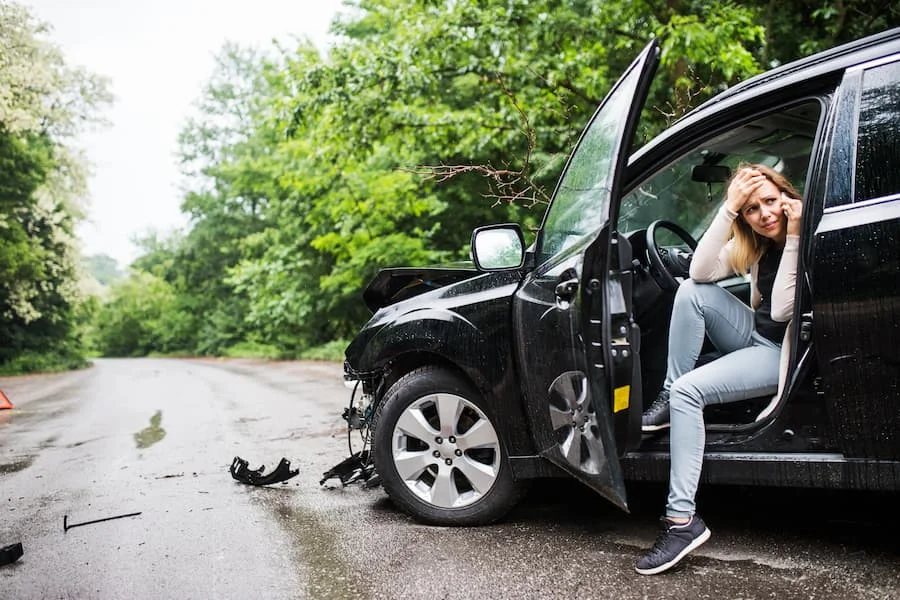
A vehicle collision can leave you feeling daunted, particularly when you are uncertain about the next steps. Beyond the initial shock, your car may need assessment, repairs, recovery, or even a full replacement. This highlights the importance of effective Car Accident Management, which can simplify the process. Understanding your car’s post-collision fate helps you make logical decisions without added stress. Each phase, from the initial damage evaluation to the final repair process, is significant.
The Initial Assessment: Evaluating the Damage
After a collision, the first step is typically a thorough evaluation of the vehicle. A mechanic, insurance representative, or accident management expert may examine the automobile to gauge the level of damage. Some issues are quite apparent. A dented bumper, shattered headlight, damaged hood, or broken windshield is easy to detect. However, some damage may be hidden beneath the exterior. Elements like the frame, suspension, steering, braking systems, and electrical components might also require evaluation. A detailed examination is essential to determine whether the automobile is fit to drive and to identify necessary repairs.
When Your Vehicle Needs More Than Just Repairs
Not all damaged vehicles need to be deemed a total loss. Minor to moderate damage can frequently be resolved by swapping out damaged parts or refurbishing affected sections. Repairs may include bodywork, repainting, panel swapping, wheel adjustments, mechanical services, or electrical fixes. Contemporary cars may include sensors and cameras that require recalibration following an accident. The repair process depends on the accident’s nature, the vehicle’s age, the parts available, and the car’s overall condition.
The Moment Safety Becomes the Priority
A vehicle may look in good condition but still pose safety risks. So, leaving the scene immediately after an accident isn’t always advisable. Warning indicators, strange sounds, fluid leaks, steering issues, damaged tyres, or braking problems could signal deeper concerns. Even seemingly minor collisions can impact critical safety functions. If you have any concerns about the vehicle’s condition, have it professionally assessed before you drive it again. In some cases, towing services may be called to safely transport it to a repair facility.
When Repair Costs Exceed the Vehicle’s Value
Sometimes, an accident can cause substantial damage, making repairs economically unfeasible. In such cases, an insurance provider might categorise the vehicle as a total loss or a write-off. This does not automatically imply that the car is irreparably damaged. It means the estimated repair costs may exceed the car’s value or the insurer’s assessment of its economic practicality. The vehicle may then fall into a specific write-off category, depending on the situation and the severity of the damage. Next steps vary based on the insurance policy and the vehicle’s condition.
Behind the Scenes: Decisions on Insurance and Repairs
Insurance plays a crucial role after an accident. Once the claim is submitted, the insurance company may organise an inspection or request details about the damage sustained.
The car can then be evaluated to determine the likely repair costs. If the repairs are approved, the vehicle may be sent to a certified repair facility. This phase can involve documentation, cost estimates, parts replacement, repair approval, and coordination among involved parties. Keeping organised records, images, claim information, and related documents can help manage the entire process more smoothly.
Observing Your Vehicle’s Revival
When repair work begins, technicians mend or replace damaged components. Technicians may realign body panels, remove dents, refresh paint, and service mechanical parts. Modern repair shops often use specialised tools to restore vehicles to their pre-incident condition. Technicians may also inspect safety systems and perform road tests before returning the vehicle. A concluding examination holds significance. The automobile should not only look good; it must also operate properly and be safe to drive.
Conclusion
An accident can throw your daily life off balance, but familiarising yourself with the process can make it less daunting. From evaluating damage and making insurance decisions to completing professional repairs and final inspections, each step aims to address your vehicle’s needs. With proper support and a focus on safety, you can move from the aftermath of the incident back to driving safely on the roads.
Visit fastresponsepfa for more informative blogs.
Tag:Accident

You may also like

Local Pest Control Georgina Ontario Home Guide

Hotel Transfer Melbourne airport | Smooth Travel