Islamic Schools in Lahore: A Better Path for Faith, Learning, and Character
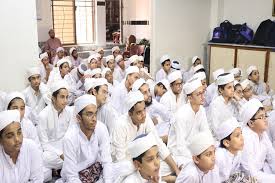
Islamic Schools in Lahore
Choosing the right school is one of the most important decisions parents make for their children. Education is not only about books, exams, and grades. It also helps children build confidence, manners, discipline, and a clear understanding of right and wrong. For families who want both modern education and strong Islamic values, Islamic Schools in Lahore can provide a balanced learning environment where academic growth and religious development go together.
Lahore is home to families with different educational needs and expectations. Many parents are looking for schools where their children can learn their regular subjects while also developing a strong connection with the Quran, Islamic teachings, good manners, and responsible behavior. An Islamic school can support this goal by bringing education and character building into the same learning environment.
Find the Right Learning Environment with Islamic Schools in Lahore
A good learning environment can have a lasting effect on a child’s personality. Children spend a large part of their day at school, so the values they learn there can influence how they think, communicate, and behave. Islamic schools aim to create an atmosphere where students can gain knowledge while learning respect, honesty, kindness, responsibility, and discipline.
The purpose is not simply to add religious subjects to a normal school timetable. A well-planned Islamic education system encourages students to apply positive Islamic values in their daily lives. This can help children understand that good character is an important part of becoming a successful and responsible person.
Academic Education Alongside Islamic Values
Modern education prepares students for future academic and professional opportunities, while Islamic education helps guide their personal and moral development. Combining both areas can give students a more complete educational experience.
Students may study subjects such as English, mathematics, science, computer studies, social studies, and other academic areas according to their level. Alongside these subjects, they can learn Quranic teachings, Islamic studies, duas, Seerah, basic Islamic manners, and other important aspects of their faith.
This combination allows children to grow in different areas without treating religious education as something separate from everyday life. They can understand the importance of knowledge while also learning how to use that knowledge with responsibility and good character.
Quran Education for Young Students
The Quran holds a central place in Islamic education. Children who begin learning the Quran from an early age can develop familiarity with its words, teachings, and guidance. Islamic schools can provide a structured environment where students receive regular Quran education according to their age and learning level.
For younger students, the focus may begin with basic reading and pronunciation. As they progress, they may learn more Surahs, meanings, Islamic teachings, and practical lessons from the Quran. A consistent learning routine can help children develop a stronger relationship with the Quran over time.
Building Strong Character Through Education
Academic achievement is important, but character also plays a major role in a child’s future. Islamic education places strong importance on qualities such as honesty, patience, respect, kindness, cleanliness, and helping others.
At school, these values can be introduced through lessons as well as everyday behavior. Students can learn to respect teachers, cooperate with classmates, speak politely, take responsibility for their work, and understand the importance of keeping promises. These simple habits can gradually become part of their personality.
A school that gives attention to character building can help parents in raising children who are not only educated but also thoughtful and responsible.
Islamic Studies That Connect with Daily Life
Islamic education becomes more meaningful when children understand how its teachings relate to their everyday lives. Instead of learning information only for examinations, students can be encouraged to understand the practical lessons behind what they study.
Islamic studies may cover topics related to worship, manners, family relationships, honesty, cleanliness, kindness, respect for parents, and responsibilities toward other people. When students understand these teachings in simple language, they can gradually learn how to apply them outside the classroom.
This approach makes Islamic learning more practical and easier for children to understand.
A Safe and Respectful School Atmosphere
Parents naturally want their children to study in an environment where they feel safe, respected, and comfortable. A positive school atmosphere can help students focus better on their studies and develop healthy relationships with teachers and classmates.
Islamic schools can promote an environment based on respect, discipline, modesty, cooperation, and good manners. When students are taught to treat others with kindness and dignity, the school environment can become more peaceful and supportive.
A respectful atmosphere can also help children become more confident because they know that their questions, ideas, and learning needs are taken seriously.
Experienced Teachers Make a Difference
Teachers have a major influence on students. A knowledgeable teacher can explain difficult subjects clearly, encourage students when they struggle, and help them develop better learning habits. In an Islamic school, teachers also have an important role in presenting Islamic values in a practical and understandable way.
Children often learn through observation. The behavior of teachers can therefore be just as meaningful as classroom lessons. Teachers who show patience, honesty, respect, and kindness can become positive examples for their students.
The connection between teachers and students can make the learning experience more comfortable and productive.
Helping Children Develop Discipline
Discipline is an important part of education. It teaches children how to manage their time, complete responsibilities, follow routines, and respect rules. Islamic teachings also encourage discipline in many areas of life.
A structured school routine can help students develop these habits naturally. Regular classes, study time, prayers, Quran learning, activities, and assignments can teach children how to organize their daily responsibilities.
The goal of discipline should not be to create fear. Instead, students should gradually understand why responsibility, punctuality, cleanliness, and good behavior are important.
Supporting Parents in Their Educational Goals
Parents play the first and most important role in a child’s upbringing. A school can support this role by providing an educational environment that follows values similar to those taught at home.
When parents and teachers work together, children can receive consistent guidance. Parents can understand their child’s academic progress, behavior, strengths, and areas that need improvement. Teachers can also benefit from knowing the child’s learning needs and personality.
This partnership can create a stronger educational journey and help children receive better support both at home and at school.
Preparing Students for a Responsible Future
The purpose of education is not limited to passing school examinations. Children need knowledge, confidence, communication skills, problem-solving abilities, and strong values to handle future responsibilities.
Islamic schools can help students develop these qualities by combining academic learning with moral education. Students can learn how to communicate respectfully, think independently, work with others, and make responsible decisions.
A strong foundation during childhood can help students face future challenges with greater confidence while remaining connected to their values.
Choosing Islamic Schools in Lahore for Your Child
Parents should consider several important factors when choosing a school for their children. The academic curriculum, teaching approach, Islamic education, school environment, teacher quality, student discipline, and communication with parents can all influence the overall learning experience.
It is also important to understand whether the school’s educational approach matches the family’s expectations. Every child is different, so parents should look for an environment where their child can learn comfortably, receive proper guidance, and develop both academically and personally.
The right school should make children feel motivated to learn while helping them understand the importance of good character and responsible behavior.
Give Your Child Education with Purpose
Education becomes more meaningful when it develops both the mind and the character. Islamic Schools in Lahore can offer families an opportunity to provide their children with academic knowledge while keeping Islamic values an important part of their daily learning.
A balanced educational environment can help children understand their studies, develop useful skills, learn Quran and Islamic teachings, and build strong personal qualities. With supportive teachers, a positive atmosphere, and cooperation between parents and school, children can grow into confident, respectful, knowledgeable, and responsible individuals.
For parents searching for an educational path that brings together modern learning and Islamic values, choosing the right Islamic school can be an important step toward building a strong foundation for their child’s future.